What Is a Good Credit Score?
A good credit score in 2026 is generally 670-739 on the FICO scale or 661-780 on VantageScore, both ranging from 300 to 850, these ranges mark you as a lower-risk borrower with solid access to loans and cards at decent rates.[1][2] The national average credit score sits at 703 as of December 2025, right in the “good” zone for FICO, so you’re not alone if that’s your number.[3] But here’s the kicker: while good gets you in the door, pushing to 740+ unlocks real savings on interest.
Think about it. That average 703 might qualify you for a car loan, yet you’d pay more over time than someone with 800+. Lenders see good credit score numbers like 670-739 as reliable, but they reserve the best deals for very good or exceptional.[1][2] No single good credit score number rules everywhere, lenders tweak thresholds based on the product, like needing 620 minimum for FHA mortgages but 740+ for prime rates.[1]
FICO vs. VantageScore: Breaking Down the Ranges
FICO dominates most lending decisions, from credit cards to mortgages. Its standard ranges look like this:
| Score Range (FICO) | Category | What It Means |
|---|---|---|
| 800-850 | Exceptional | Near-certain approvals, lowest rates[2] |
| 740-799 | Very Good | High odds, big savings[1] |
| 670-739 | Good | Solid access, standard terms[2][5] |
| 580-669 | Fair | Limited options, higher costs[2] |
| Below 580 | Poor | Tough approvals[3] |
VantageScore, used by about 30% of lenders, shifts slightly: good starts at 661 up to 780, with excellent at 781-850.[1] Both models stabilized on the 300-850 scale years ago, VantageScore ditched its old 501-990 range back in 2013.[1] About 71% of Americans hit 670 or better, so good is the norm, not the exception.[1]
Ever wonder why your free score app shows one number but your lender pulls another? FICO and VantageScore pull from your Equifax, Experian, or TransUnion reports differently. Check all three weekly for free at annualcreditreport.com, it’s your right under the Fair Credit Reporting Act.[2]
Why Your Credit Score Matters More Than Ever in 2026
A good credit score isn’t just bragging rights. It slashes your borrowing costs. Take a $20,000 auto loan at 5% over 60 months: exceptional scores (800+) snag around 6.42% APR on a similar home loan example, while average good scores push toward 7.9%, adding $1,348 in interest.[3] Over a lifetime? That compounds into tens of thousands.
Credit score needed varies by loan type. Most cards approve at 670+; autos too.[1] Mortgages? Conventional wants 620 minimum, but 740+ means more lender bids and fees waived.[1] In 2026, mortgage giants like Fannie Mae roll out FICO 10T and VantageScore 4.0, factoring 24-month payment trends and alternative data like rent.[4] Your score might recalibrate slightly, but core habits, on-time payments (35% of FICO), utilization under 30% (30%), long history, still rule.
Good scores flex for emergencies. Skip predatory payday loans; grab a 0% balance transfer instead. No co-signer hassles. And with the average at 703, you’re competitive, but not elite. Push higher, and watch doors fly open.
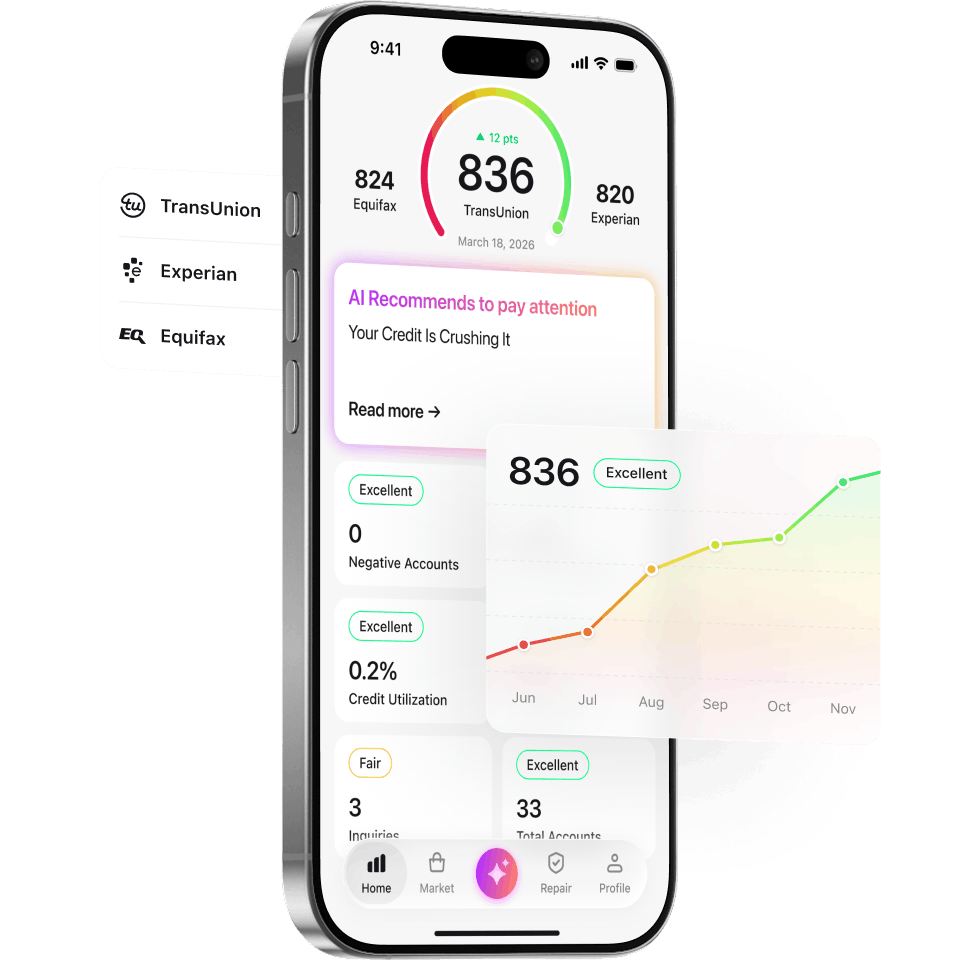
Download Credit Booster AI,free on iOS and Android. This AI tool scans your reports, spots errors, drafts dispute letters, and tracks your climb to that good credit score number. It’s a smart sidekick, not a magic fix.
Common Myths About Good Credit Scores
Myth one: There’s one magic good credit score. Nope. FICO says 670+, VantageScore 661+, and your bank might demand 700.[1][2] Lenders eye your full report, high debt can tank approvals despite a solid score.
Myth two: Average equals excellent. At 703, you’re good, but expect standard rates, not the lowest. That 2023 peak of 718 dipped back, showing habits matter.[3]
Myth three: Scores alone decide everything. Equal Credit Opportunity Act says no, denials need explanations with your score disclosed.[3] But a weak score? It amplifies risks.
UK scales like Equifax’s 300-1,250 confuse folks, yet US sticks to 300-850.[4] Ignore the noise.
How to Hit or Beat a Good Credit Score
Ready to boost? Start with basics. Pay everything on time, no misses in 7+ years for top scores. Keep utilization below 30%: owe $3,000 on a $10,000 limit? Golden.[1]
Diversify: one card, a loan, maybe an installment account. Avoid new apps; inquiries ding 10% of your score temporarily.
Dispute errors fast, bureaus fix in 30 days per FCRA.[2] Credit Booster AI automates this, analyzing reports and generating letters to shave points off inaccuracies.
Target 740+ for very good: build history, mix types.[1] Prequalify loans to test without hard pulls. In months, you’ll see gains.
| Quick Wins for 670+ | Impact |
|---|---|
| Pay on time | 35% of score |
| Utilization <30% | 30% boost[1] |
| Limit inquiries | Protects 10% |
| Dispute errors | 20-100+ points[1] |
2026 Updates: What Borrowers Need to Know
No range overhauls, good stays 670+ FICO, 661+ VantageScore.[1][5] Mortgage shifts emphasize trends: consistent payments over two years juice scores under new models. CFPB watches for fairness.
Average up from 2023’s 718? Post-pandemic discipline.[3] Stay vigilant.
Frequently Asked Questions
What is the average credit score in the US?
The average credit score is 703 as of December 2025 on FICO, down slightly from 2023’s 718 peak but still “good.”[3] This lands most folks in prime territory for approvals, though rates improve above 740.[1]
What credit score is needed for a mortgage in 2026?
FHA loans start at 620; conventional at 620 minimum, but 740+ gets best rates amid new FICO 10T/VantageScore 4.0 models.[1] Trends like 24-month payments now factor in heavily.[4]
Is 700 a good credit score?
Yes, 700 falls squarely in the good credit score range (670-739 FICO), matching the national average and qualifying for most products at competitive rates.[1][3] Aim higher for elite terms.
How can I check my credit score for free?
Pull free weekly reports from AnnualCreditReport.com (Equifax, Experian, TransUnion) and scores from each bureau’s site.[2] Apps like Credit Booster AI track FICO/VantageScore variances too.
What’s the difference between FICO and VantageScore?
Both use 300-850, but FICO good is 670-739; VantageScore 661-780.[1] FICO leads lending; VantageScore grows with alternative data like rent in 2026 models.[4]
Can a fair credit score get approved for loans?
Fair (580-669) works for subprime options at high rates, but expect hurdles vs. good scores.[2] Build habits to hit 670+ fast, utilization and payments move the needle quickest.[1]
Download Credit Booster AI,grab it free on iOS/Android to dispute errors and track your path to 670+.
Related research: For a deeper analysis of credit score ranges and what they mean, see our research library at JoinCreditClub.com.
Need professional help? CreditBooster.com has been helping clients rebuild their credit since 2009.
Frequently Asked Questions
What is the average credit score in the US?
The average credit score is 703 as of December 2025 on FICO, down slightly from 2023's 718 peak but still 'good.' This lands most folks in prime territory for approvals, though rates improve above 740.
What credit score is needed for a mortgage in 2026?
FHA loans start at 620; conventional at 620 minimum, but 740+ gets best rates amid new FICO 10T/VantageScore 4.0 models. Trends like 24-month payments now factor in heavily.
Is 700 a good credit score?
Yes, 700 falls squarely in the good credit score range (670-739 FICO), matching the national average and qualifying for most products at competitive rates. Aim higher for elite terms.
How can I check my credit score for free?
Pull free weekly reports from AnnualCreditReport.com (Equifax, Experian, TransUnion) and scores from each bureau's site. Apps like Credit Booster AI track FICO/VantageScore variances too.
What's the difference between FICO and VantageScore?
Both use 300-850, but FICO good is 670-739; VantageScore 661-780. FICO leads lending; VantageScore grows with alternative data like rent in 2026 models.
Can a fair credit score get approved for loans?
Fair (580-669) works for subprime options at high rates, but expect hurdles vs. good scores. Build habits to hit 670+ fast, utilization and payments move the needle quickest. [Download Credit Booster AI](https://creditbooster.ai/download),grab it free on iOS/Android to dispute errors and track your path to 670+.