Why the 3 Credit Bureaus Matter and How to Use Them Right Now
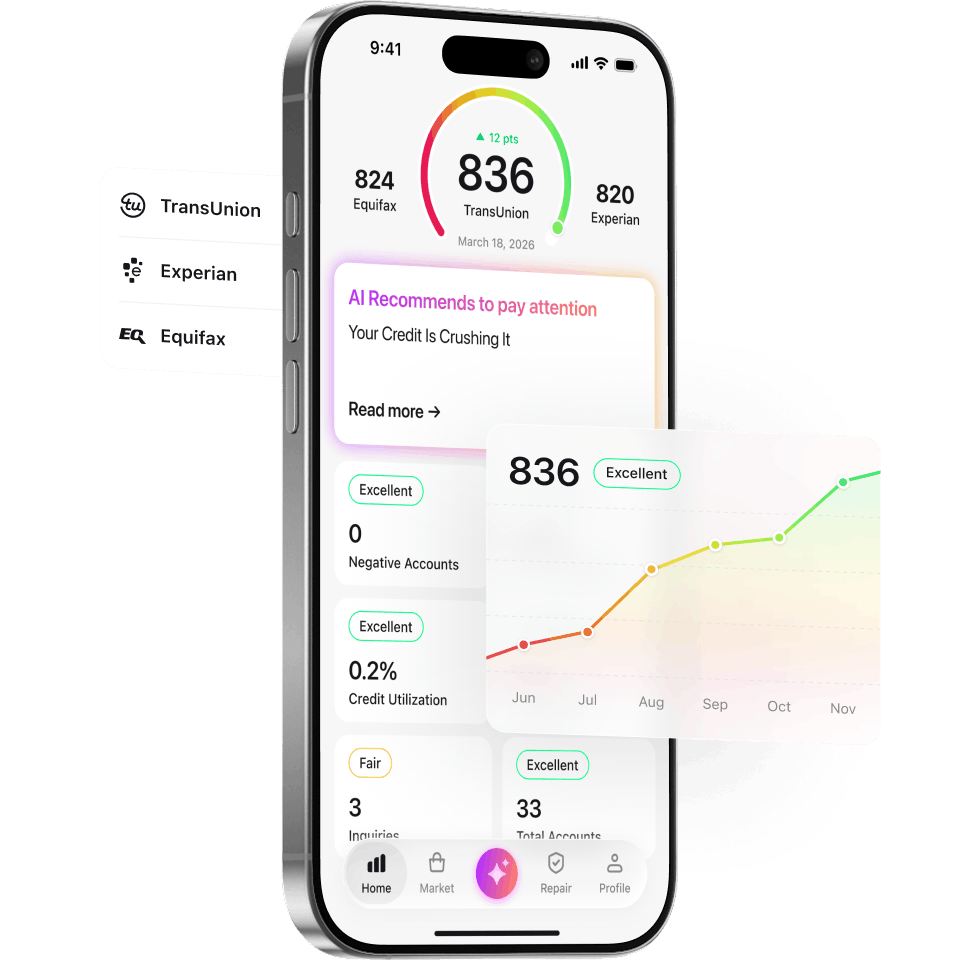
Your credit life revolves around three powerhouses: Experian, Equifax, and TransUnion. These credit bureaus explained here collect your financial data, build reports, and influence everything from loan approvals to apartment rentals. Not every lender reports to all three, so your scores differ, sometimes by 50 points or more. Start by pulling your free weekly reports from AnnualCreditReport.com today. Compare them side-by-side to spot gaps and fix errors fast.[1][2][3]
Think of it this way: Equifax is your deep-dive historian, Experian your transparent guide with boost tools, and TransUnion your tech-savvy updater. Mastering these 3 credit bureaus gives you control. You’ll understand why a mortgage lender pulls Equifax while your credit card issuer favors TransUnion. Ready to dive in?
Quick Profiles: Meet Experian, Equifax, and TransUnion
Each credit reporting agency operates independently, pulling data from banks, collectors, and public records like bankruptcies.[1][2] They don’t decide loans, that’s on lenders, but their reports predict if you’ll repay.[1]
Here’s the lineup:
| Bureau | Founded | HQ | Key Strength | Global Reach |
|---|---|---|---|---|
| Equifax | 1899 | Atlanta, GA | Detailed historical records | Millions worldwide[2] |
| Experian | 1980s (roots 1960s) | Dublin, Ireland (U.S.: Costa Mesa, CA) | Transparency, user tools | 40+ countries[2] |
| TransUnion | 1968 | Chicago, IL | Technology, real-time data | 1B+ consumers, 30+ countries[2] |
Equifax stands out as the “credit historian.” It holds onto old accounts and bankruptcies longer, think 10+ years versus peers’ shorter windows. Lenders love it for mortgages because of that full backstory. Plus, it weaves in alternative data like utility bills to help thin-file folks build credit.[2]
Experian shines with user-friendly tools. Get your 3-bureau report and FICO scores in one view to catch discrepancies instantly. Their Boost feature adds rent and utility payments for an immediate score jump, users see up to 13 points on average.[2][5]
TransUnion leads in tech. Real-time updates mean fresh data on new loans or payments, and top-notch fraud alerts keep hackers at bay. It serves over a billion people, focusing on analytics for quicker credit decisions.[2]
Why the differences? Not all lenders report everywhere. Say your auto loan hits Equifax and TransUnion but skips Experian. Boom, your Experian score lags until it syncs.[1][3]
What Do These Credit Bureaus Actually Collect?
Credit bureaus explained simply: They compile your identity (name, SSN, address), credit accounts (loans, cards), payment history, debts, and public records.[1] Sources? Banks, card issuers, collectors, over 10,000 furnishers feed them data monthly.[1]
- Payment history: 35% of your FICO score. Late pays stick for 7 years.[1]
- Amounts owed: Keep utilization under 30%,say, $3,000 debt on a $10,000 limit.
- Length of history: Equifax excels here, tracking decades back.[2]
- New credit/inquiries: Too many? Scores dip 5-10 points temporarily.[1]
Scores vary because data isn’t identical. Example: A 720 Equifax, 685 Experian, 710 TransUnion? Normal. One card issuer reports only to Experian, boosting it artificially.[1][4]
Why Your Scores Differ Between the 3 Credit Bureaus
Ever check and think, “Wait, three different numbers?” You’re not alone. Experian Equifax TransUnion reports aren’t clones. Lenders pick favorites by loan type, mortgages often pull Equifax, cards lean TransUnion.[2][4]
Top reasons for variances:
- Incomplete reporting: 40% of lenders skip at least one bureau.[1]
- Timing: TransUnion updates faster; Equifax lags on old data.[2]
- Data quirks: Equifax keeps bankruptcies 10 years; others drop sooner.[2]
- Scoring models: FICO tweaks per bureau, Equifax ranges 280-850.[4]
Real example: Sarah’s auto lender reports to Equifax only. Her Equifax jumps 20 points post-payoff; others stay flat until monthly cycles align.[1] Don’t chase one score. Lenders peek at their preferred bureau.
Bust the myth: No single score is “yours.” All three matter. Differences aren’t errors, just data gaps.[1][2]
Step-by-Step: Check Your 3 Credit Bureaus Free, Today
Federal law (FCRA) gives weekly free reports via AnnualCreditReport.com, no more once-a-year limit.[4][6] Here’s how:
- Visit AnnualCreditReport.com: Verify identity with SSN, address, DOB. Pick all three.[1][6]
- Review each report: Scan personal info, accounts, inquiries. Note mismatches, like a closed account on Equifax but open on TransUnion.[3]
- Compare scores: Use Experian’s free 3-bureau tool for FICO views.[5]
- Spot errors: Wrong address? Duplicate debt? Flag it.
- Freeze if needed: Free credit locks block fraud, toggle via app on each site.[5]
Takes 15 minutes weekly. I check mine every Monday, caught a $200 error last month, fixed in 30 days.[1][3]
Pro tip: Apps like Credit Booster AI automate this. It scans your credit bureaus, flags disputes, and generates letters. Download it free, huge time-saver for busy folks.Download Credit Booster AI on iOS/Android.
Fix Errors and Disputes: Your FCRA Power Move
Found a mistake? Bureaus must investigate free within 30 days under FCRA.[3][6] 1 in 5 reports has errors impacting scores.[6]
Dispute in 5 steps:
- Log the issue: Screenshot the error on Equifax (equifax.com), Experian (experian.com), or TransUnion (transunion.com).[1]
- File online: Fastest, upload proof like bank statements.[5]
- Call if urgent: Equifax 800-685-1111, Experian 888-397-3742, TransUnion 888-909-8872.[1]
- Mail backup: Certified letter for records. Include “Dispute under FCRA.”
- Track: They notify in writing. No fix? Add a 100-word statement to your file.[6]
Example: Fake collection on TransUnion? Dispute with “no knowledge” letter. Gone in 25 days, score up 40 points.[5]
Boost Scores Across All 3 Credit Bureaus
Want action? Build across Experian Equifax TransUnion:
- Pay on time: 35% score weight. Auto-pay everything.[1]
- Cut utilization: Aim <30%. Paid $5k card to $2k? +50 points possible.[1]
- Boost extras: Experian Boost adds utilities (avg +13 points). Equifax uses similar alt data.[2][5]
- Limit inquiries: One hard pull drops 5 points; shop rates within 14-45 days.[1]
- Build history: Secured cards report to all three,$200 deposit, use 10%, pay off.[2]
Credit Booster AI analyzes reports from all 3 credit bureaus, spots boosts, and tracks progress. Try it alongside manual checks.
Medical debt? CFPB rules suppress most under $500 or paid, check 2023-2024 updates.[6]
Protect Yourself: Locks, Alerts, and Monitoring
Identity theft hits 1 in 15 Americans yearly. Fight back:
- Fraud alert: Free 1-year on all three, call one, it spreads.[5]
- Credit freeze: Free, instant via apps. Lenders can’t pull without PIN.[6]
- Monitor: TransUnion’s alerts ping suspicious activity real-time.[2]
Example: Froze after data breach, thieves couldn’t open cards. Unfreeze for legit apps in seconds.[5]
Advanced Tips: Align Your Reports for Big Wins
Lenders pull multiples for big loans (e.g., mortgages check all three). Sync them:
- Use rent reporters like Experian Boost, hits one, influences others via models.[5]
- Diversify credit: Mix cards/loans; reports to varying bureaus.[1]
- Time big moves: Apply when scores align high (e.g., all 720+).
Equifax for history-heavy loans, TransUnion for speed, know lender prefs via prequals.[2][4]
Frequently Asked Questions
What are the 3 credit bureaus?
Equifax, Experian, and TransUnion are the main U.S. credit reporting agencies. They collect your payment history, debts, and public records to create reports lenders use.[1][2]
Why do my credit scores differ between Experian, Equifax, and TransUnion?
Lenders don’t report to all three equally, so data varies, e.g., one misses a paid loan. Scores differ by 20-50 points typically; it’s normal, not an error.[1][3][4]
How do I get free credit reports from all 3 credit bureaus?
Go to AnnualCreditReport.com for weekly free pulls from each. Or visit equifax.com, experian.com, transunion.com directly.[1][6]
Can I dispute errors on my credit bureau reports?
Yes, under FCRA. File online or call, Equifax (800-685-1111), Experian (888-397-3742), TransUnion (888-909-8872). They investigate in 30 days.[1][3][6]
How can I improve my score across all 3 credit bureaus?
Pay on time, keep utilization under 30%, use tools like Experian Boost. Positive activity syncs over 1-2 months as lenders report.[1][2][5]
Do credit bureaus decide if I get a loan?
No. They supply data; lenders review reports plus income, job for approvals.[1][5]
Download Credit Booster AI,free on iOS and Android. Let it handle disputes and tracking for your 3 credit bureaus journey.
(Word count: 1523)
Related research: For a deeper analysis of the difference between credit reports and scores, see our research library at JoinCreditClub.com.
Need professional help? CreditBooster.com has been helping clients rebuild their credit since 2009.
Frequently Asked Questions
What are the 3 credit bureaus?
Equifax, Experian, and TransUnion are the main U.S. credit reporting agencies. They collect your payment history, debts, and public records to create reports lenders use.
Why do my credit scores differ between Experian, Equifax, and TransUnion?
Lenders don't report to all three equally, so data varies, e.g., one misses a paid loan. Scores differ by 20-50 points typically; it's normal, not an error.
How do I get free credit reports from all 3 credit bureaus?
Go to AnnualCreditReport.com for weekly free pulls from each. Or visit equifax.com, experian.com, transunion.com directly.
Can I dispute errors on my credit bureau reports?
Yes, under FCRA. File online or call, Equifax (800-685-1111), Experian (888-397-3742), TransUnion (888-909-8872). They investigate in 30 days.
How can I improve my score across all 3 credit bureaus?
Pay on time, keep utilization under 30%, use tools like Experian Boost. Positive activity syncs over 1-2 months as lenders report.
Do credit bureaus decide if I get a loan?
No. They supply data; lenders review reports plus income, job for approvals. [Download Credit Booster AI](https://creditbooster.ai/download),free on iOS and Android. Let it handle disputes and tracking for your 3 credit bureaus journey. *(Word count: 1523)*