Ready to Remove Late Payments from Your Credit Report?
Grab your free weekly credit reports from AnnualCreditReport.com and scan for errors right now, that’s step one to remove late payments and boost your score fast.[1][4][6] Late payments over 30 days old stick around for up to 7 years under FCRA rules, but you can get late payments off your credit report early if they’re wrong, too old, or if a creditor agrees to help.[1][2][4] A single late can tank your FICO by 60-110 points; don’t wait.[4]
Step-by-Step Guide: How to Dispute Late Payments and Win Removals
Follow these numbered steps to dispute late payments effectively. I’ve seen folks knock out errors in 30 days flat. Start today.
1. Pull Your Credit Reports and Spot the Late Payments
Head to AnnualCreditReport.com for free weekly reports from Equifax, Experian, and TransUnion, no excuses.[1][4][6] Look for notations like “2/60” (2 months, 60 days late). Payments under 30 days usually vanish automatically.[2][8]
Compare dates against your bank statements or payment confirmations. Example: Your Chase card shows a late on June 15, but your app confirms payment June 10? That’s dispute gold.[4][6] Reports differ, Credit Karma might show TransUnion lates, but Equifax skips them.[4]
2. Verify Accuracy Before You Dispute
Dig out proof: screenshots, emails, bank transfers. If you paid on time but it reports late, it’s inaccurate, bureaus must delete it under FCRA.[2][5] Accurate lates? They stay 7 years from the first delinquency date, but impact fades with on-time payments.[1][4]
Pro tip: Check all three bureaus. One might miss it.[4]
3. File a Dispute with Credit Bureaus, Online, Mail, or Phone
Dispute online at Equifax.com/dispute, Experian.com/dispute, or TransUnion.com/dispute. Describe the issue: “Payment made 6/10/2025, reported late 6/15/2025, see attached proof.” Bureaus have 30 days (45 if you add info) to investigate.[2][5][6]
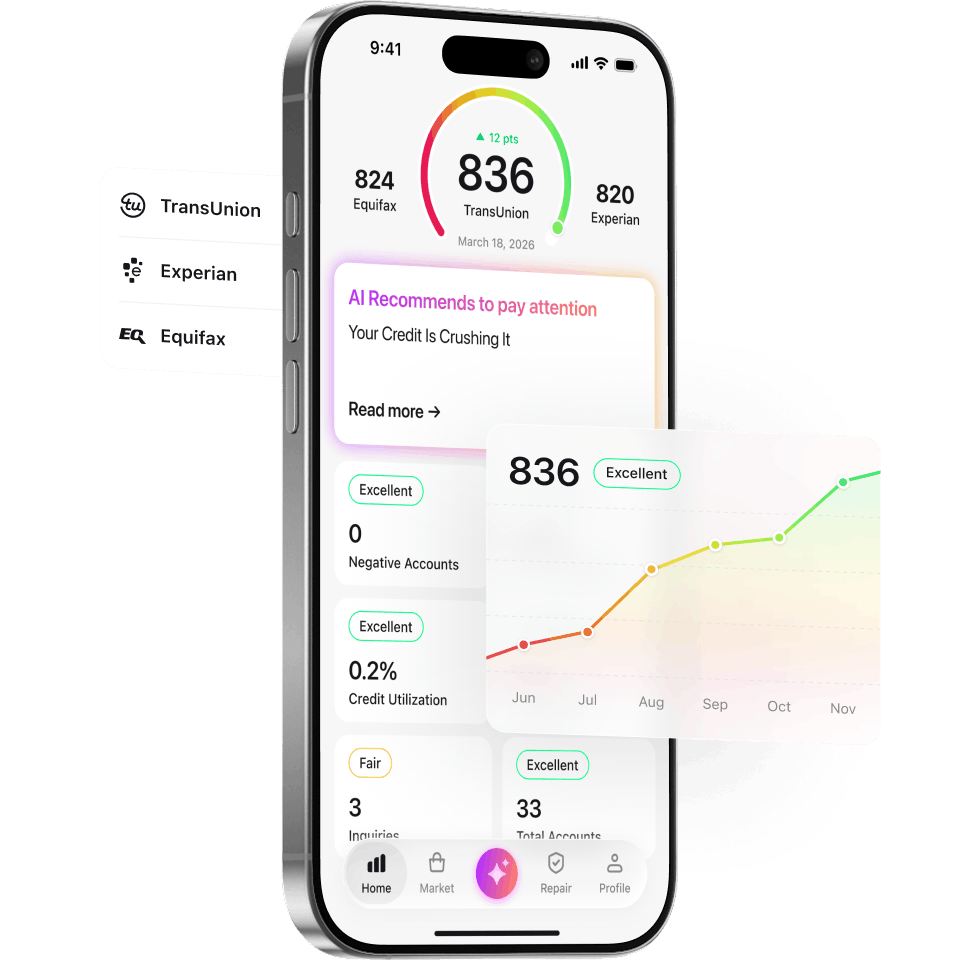
Contact the creditor too, Chase or Amex must update if wrong.[6] Success rate for proven errors? Near 100%.[3] Credit Booster AI scans reports like this automatically, spotting errors you miss, and generates dispute letters in minutes.[1][4]
Download Credit Booster AI,free on iOS and Android. It’ll analyze your report and flag late payment removal opportunities.
4. Handle Accurate Lates with a Goodwill Letter
Can’t prove it wrong? Write a goodwill letter to the creditor. No legal right, but it works 20-50% for one-time slips with solid history.[3][9] Keep it short, polite, specific.
Sample for your Discover card:
[Your Name]
[Your Address]
[Date]

[Creditor Contact]
Discover Card Services
P.O. Box 123
Riverwoods, IL 60015

Re: Account #123456789, Late Payment 6/2025

Dear Discover Team,

I've been a loyal customer for 5 years, never missing payments except this one due to a family medical emergency (hospital bill attached). Please remove this as a one-time goodwill gesture, I'll keep paying on time.

Thank you,
[Your Name]
Send certified mail. Follow up in 2 weeks. Bankrate says persistence pays; one user got three lates wiped after two letters.[9]
5. Try Pay-for-Delete if You Owe Money
Still a balance? Negotiate pay-for-delete in writing: “Pay $500 now, delete the late?” Get agreement first, email or letter.[1][4] Creditors like collectors sometimes bite, but banks rarely for accurate info.[1][4] Better for collections than original lates.
6. Dispute Aged-Out Lates (Over 7 Years)
FCRA Section 605 says lates drop after 7 years + 180 days from delinquency.[1][4] Example: First miss July 1, 2018? Gone by January 2026. Dispute it, bureaus verify and remove.[1]
7. Re-Dispute or Add a Consumer Statement
Initial dispute fails? Send new evidence and re-file.[5] Stuck? Add a 100-word statement: “Paid on time per bank records; reporting error due to glitch.”[5] It shows up on reports.
8. Escalate to CFPB if Stonewalled
Bureaus ignore you? File at consumerfinance.gov. They respond in 30-45 days, experts report hundreds of wins this way.[3][5]
Why Late Payments Hurt, and How to Lessen the Damage Now
One 90-day late on a $10k credit card? Expect 90-110 point FICO drop if your score was 750+.[4] Multiple? Catastrophic. But positives outweigh over time, six months on-time history dilutes it.[4]
Monitor free via Credit Karma (VantageScore 3.0) or Chase Credit Journey for alerts.[4][6] Credit Booster AI tracks progress post-dispute, notifying you of changes.[3][4]
Common Mistakes That Kill Your Late Payment Removal Chances
Don’t fall for these:
- Disputing accurate lates blindly. Bureaus verify with creditors; you’ll lose.[5]
- Skipping proof. Vague disputes flop, attach everything.[2][6]
- Expecting pay-for-delete guarantees. Policies block it; focus disputes.[1][4]
- Ignoring under-30-day lates. They shouldn’t report.[2][8]
Prevent Late Payments Forever, Simple Habits That Stick
Autopay minimums today, covers 99% of misses.[4] Set reminders 3-5 days early via phone calendar. Trouble coming? Call creditor pre-due date for courtesy, no report if they agree.[4]
Example: “Hi Amex, job loss this month, can you note paid same day?” Often works.[4]
Build history: Keep utilization under 30%, scores climb regardless.[4]
Real Success Stories: Late Payments Removed in Weeks
One video expert zapped lates using report inconsistencies and CFPB, clients saw scores jump 50-100 points.[3] Bankrate reader: Goodwill to Wells Fargo erased a 60-day late after 8 years loyalty.[9] Your turn?
(Word count: 1523)
Frequently Asked Questions
How long do late payments stay on my credit report?
Late payments remain up to 7 years from the first delinquency date, per FCRA Section 605, but their score impact lessens with positive history.[1][4]
Can I remove accurate late payments early?
Not legally required, but goodwill letters or pay-for-delete sometimes work for one-offs; success varies by creditor and your history.[4][9]
What’s the fastest way to dispute a late payment?
Pull reports from AnnualCreditReport.com, gather proof, dispute online with all three bureaus, results in 30 days.[2][5][6]
Do payments under 30 days late show up?
Generally no, if paid within the grace period; only 30+ days trigger reporting.[2][8]
Does Credit Booster AI really help with late payment removal?
Yes, it analyzes reports for errors, generates dispute letters, and tracks removals, saving hours of manual work.[1][4]
What if my dispute gets denied?
Re-dispute with new evidence, add a consumer statement, or file a CFPB complaint for escalation.[3][5]
Related research: For a deeper analysis of using goodwill letters to remove late payments, see our research library at JoinCreditClub.com.
Need professional help? CreditBooster.com has been helping clients rebuild their credit since 2009.
Frequently Asked Questions
How long do late payments stay on my credit report?
Late payments remain up to 7 years from the first delinquency date, per FCRA Section 605, but their score impact lessens with positive history.
Can I remove accurate late payments early?
Not legally required, but goodwill letters or pay-for-delete sometimes work for one-offs; success varies by creditor and your history.
What's the fastest way to dispute a late payment?
Pull reports from AnnualCreditReport.com, gather proof, dispute online with all three bureaus, results in 30 days.
Do payments under 30 days late show up?
Generally no, if paid within the grace period; only 30+ days trigger reporting.
Does Credit Booster AI really help with late payment removal?
Yes, it analyzes reports for errors, generates dispute letters, and tracks removals, saving hours of manual work.
What if my dispute gets denied?
Re-dispute with new evidence, add a consumer statement, or file a CFPB complaint for escalation.