Ready to Delete Collections from Your Credit Report?
Collections can tank your FICO score by over 100 points, but you don’t have to wait seven years for them to vanish. Start by pulling your free weekly credit reports from AnnualCreditReport.com and disputing errors, 40% of collections disputes lead to deletions because collectors can’t verify the data.[1][3] This guide walks you through proven steps to remove collections from your credit report, from debt validation to pay-for-delete deals, with templates and real success rates.
Step 1: Pull Your Credit Reports and Spot the Issues
Grab your reports from Equifax, Experian, and TransUnion right now, it’s free weekly under FCRA.[1][2] Don’t skip this; discrepancies show up in 60-70% of collections, like wrong addresses or names that kill verification.[2][3]
Scan for:
- Account details: Creditor name, balance, account number, open date, date of first delinquency.
- Red flags: Duplicates (hits 15% of reports), paid status not updated, or items over seven years old.[1][7]
- Errors: Mismatched info or debts you don’t recognize.
Example: Sarah found a $250 medical collection with her old address from 2018. The date of delinquency was wrong, so it disputed out in 25 days.[2]
Jot everything down. You’ll need it for disputes.
Step 2: Dispute Inaccuracies with the Bureaus
Under FCRA Section 611, bureaus must investigate free within 30 days or delete.[1][3][4] Disputing inaccuracies boasts 40-60% success, highest of all methods.[3]
How to dispute:
- Go online at each bureau’s site (Equifax.com/dispute, etc.) or mail a letter.
- Attach proof: Payment receipts, ID, or notes on mismatches.
- Reference the exact item: “Account #1234 listed as $500, but paid $0 on [date].”
For duplicates, dispute each listing separately with proof it’s the same debt.[7] CFPB data shows 2026 resolutions hit 40% deletions due to unverifiable info.[3]
Pro tip: Dispute all three bureaus at once. They can’t share info, so hit ‘em independently.
Step 3: Send a Debt Validation Letter to the Collector
Don’t pay anything yet. Under FDCPA Section 1692g, send a debt validation letter via certified mail within 30 days of their notice.[2] They must prove ownership, or stop reporting.
Sample template (adapt from CFPB samples):
[Your Name]
[Your Address]
[Date]

[Collector Name]
[Collector Address]

Re: Account # [number], [amount]

Dear [Collector],

Under FDCPA 15 U.S.C. §1692g, validate this debt within 30 days. Provide: original creditor, account docs, chain of ownership.

Until verified, cease reporting to bureaus.

Sincerely,
[Your Name]
No response? They drop it. Success: 30-50%.[2] This stalls collections and often forces deletions.
Step 4: Negotiate Pay-for-Delete (But Get It in Writing)
Pay-for-delete works 20-40% of the time, up 20% YoY in 2026 thanks to CFPB pressure on collectors.[2] Smaller agencies fear FCRA suits, so they bite.
Steps:
- Call/email: “I’ll pay $X if you delete from all three bureaus in writing.”
- Insist on a letter: “Upon receipt of $X, we agree to request deletion from Equifax, Experian, TransUnion.”
- Pay only after signing. No deal? Walk.
Myth busted: It’s legal, just not bureau-endorsed. Verbal promises? Worthless.[2][4] Example: John got a $400 utility collection wiped after a written deal, no score hit.[2]
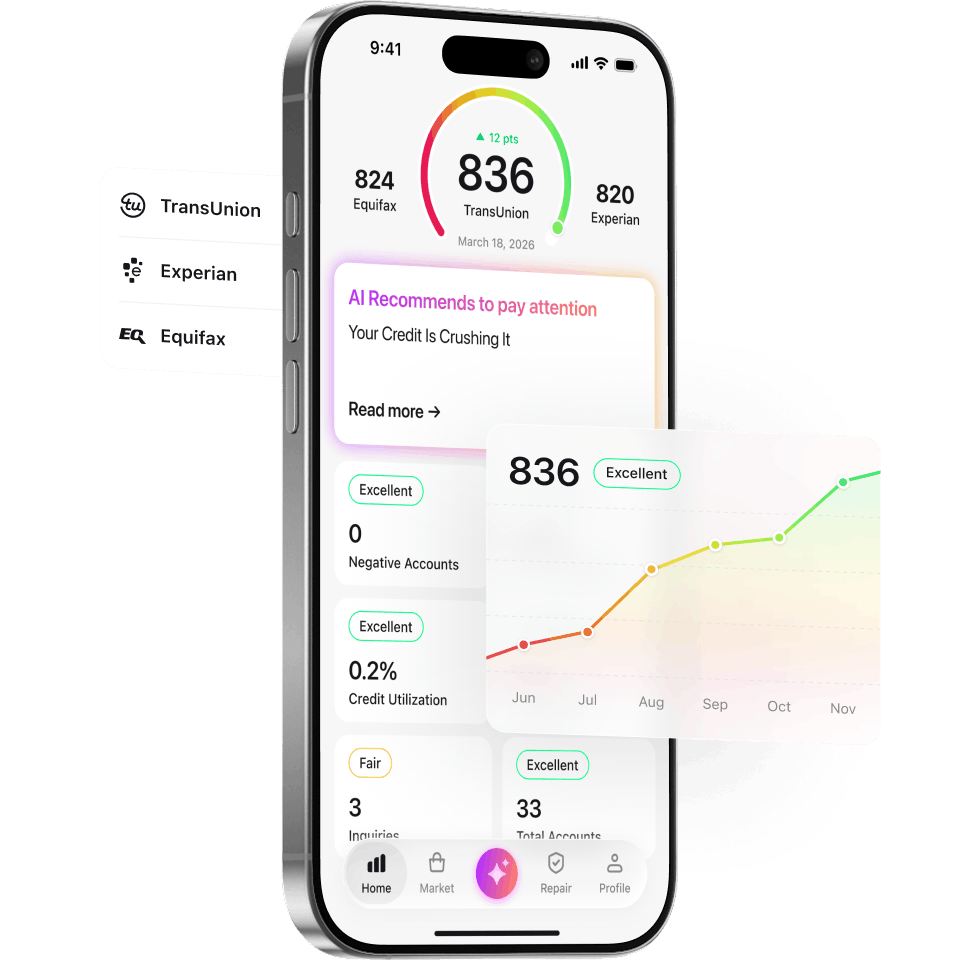
Download Credit Booster AI, free on iOS and Android. It scans reports, spots disputable collections, and generates these letters automatically.
Paid collections stay seven years anyway, but deletion kills the damage.[1][5] Recent Experian tweak: Paid medical under $500 suppressed from FICO 8/9, though visible.[5]
Step 5: Try a Goodwill Letter for Paid Collections
Paid it off? Hit the original creditor (not always the agency) with a goodwill letter. Wins 10-20% of cases, especially with solid histories.[6]
Why it works: They control reporting; agencies don’t always.[9]
Template:
[Date]

[Creditor Name]
[Address]

Re: Account [number], now paid in full.

Dear Sir/Madam,

Due to [job loss in 2024], I fell behind but paid $X on [date]. My other accounts are perfect, see attached statements.

As goodwill, please delete this collection.

Thank you,
[Your Name]
Send to all three bureaus too. Nolo experts say target originals post-payoff for best odds.[9]
Step 6: Monitor, Follow Up, and Escalate
Check reports 30-45 days post-action via AnnualCreditReport.com.[1][2] No change? Refile or hit CFPB.gov/complaint, 1.2M credit gripes in 2025, 28% collections.[3]
Avoid re-aging: Never admit old debts in writing; resets the seven-year clock.[1]
| Method | Success Rate | Best For | Requirements |
|---|---|---|---|
| Dispute Inaccuracies | 40-60%[3] | Errors/duplicates | Proof/docs |
| Debt Validation | 30-50%[2] | Unverified debts | Certified mail |
| Pay-for-Delete | 20-40%[2] | Valid, smaller collectors | Written agreement |
| Goodwill Letter | 10-20%[6] | Paid accounts | Payment proof |
Common Mistakes That Keep Collections on Your Report
Think paying removes it? Nope, status changes to “paid,” but it lingers seven years.[1][5] Don’t hire pricey credit repair ($50-150/month) unless DIY fails; most win free.[1][8]
Can’t delete without paying? Wrong, unverifiable ones vanish under FCRA, no cash needed.[4] Pay-for-delete guaranteed? Never; skip if no paper trail.[2][4]
Post-2025, paid non-medical hurts less on FICO, but delete anyway for clean reports.[5]
Legal Muscle: FCRA and FDCPA Basics
FCRA demands accuracy, dispute and they verify or delete.[1][3][4] FDCPA stops shady collection tactics; sue for $1,000+ if they lie.[2]
CFPB’s 2026 crackdown fined collectors $15M for bad reporting, use complaints to leverage.[2] Time-barred debts (3-10 years SOL by state) report but can’t sue on.[1]
Violations? CFPB or AG. Willful FCRA noncompliance means real damages.
When DIY Isn’t Enough: Tools That Help
Credit Booster AI analyzes your report, flags errors (60-70% have them), crafts dispute/pay-for-delete letters, and tracks progress.[2][3] It’s not magic, pair it with these steps.
Real talk: 2026 YouTube experts report faster wins with AI templates amid 30-day bureau rules.[2]
Advanced Tactics for Stubborn Collections
Duplicates? CFPB says dispute multiples as one debt.[7] Medical? New suppression helps scores.[5]
Negotiate post-payoff extras: Tiny bonus payment for deletion, written only.[3] Strong history? Double goodwill odds.
Track everything, CFPB loves paper trails.
(Word count: 1523)
Frequently Asked Questions
How long do collections stay on my credit report?
Collections remain for seven years from the first delinquency date, across all bureaus, even if paid.[1][5] They don’t drop early without dispute or removal.
Can I remove collections without paying?
Yes, if inaccurate, outdated, or unverifiable, dispute under FCRA for 40-60% success, no payment needed.[3][4] Debt validation often forces collectors to back off too.[2]
Is pay-for-delete legal?
It’s legal but unofficial; get written agreements naming all bureaus before paying, or skip it, 20-40% success with small agencies.[2][4]
Do paid collections hurt my score as much?
Less now, Experian suppresses paid medical under $500 from FICO scores, but they stay visible seven years unless deleted.[5] Non-medical impact reduced too.
What’s a goodwill letter and does it work?
A polite request to the creditor for deletion post-payment, citing hardship. 10-20% success, best with good histories.[6][9]
Should I use a credit repair company for collections removal?
DIY works for most via free reports and templates; companies charge $50-150/month for similar disputes, try free first.[1][8]
Related research: For a deeper analysis of the impact of paying vs. removing collections, see our research library at JoinCreditClub.com.
Need professional help? CreditBooster.com has been helping clients rebuild their credit since 2009.
Frequently Asked Questions
How long do collections stay on my credit report?
Collections remain for seven years from the first delinquency date, across all bureaus, even if paid. They don't drop early without dispute or removal.
Can I remove collections without paying?
Yes, if inaccurate, outdated, or unverifiable, dispute under FCRA for 40-60% success, no payment needed. Debt validation often forces collectors to back off too.
Is pay-for-delete legal?
It's legal but unofficial; get written agreements naming all bureaus before paying, or skip it, 20-40% success with small agencies.
Do paid collections hurt my score as much?
Less now, Experian suppresses paid medical under $500 from FICO scores, but they stay visible seven years unless deleted. Non-medical impact reduced too.
What's a goodwill letter and does it work?
A polite request to the creditor for deletion post-payment, citing hardship. 10-20% success, best with good histories.
Should I use a credit repair company for collections removal?
DIY works for most via free reports and templates; companies charge $50-150/month for similar disputes, try free first.