Lexington Law Shut Down: What Happened and Why It Matters
Lexington Law shut down in 2023 after a $2.7 billion judgment, the result of a case most people search for as the Lexington Law FTC lawsuit but which was actually led by the Consumer Financial Protection Bureau. The company, along with sister brand CreditRepair.com and parent Progrexion, broke federal rules by charging illegal upfront fees through telemarketing and running deceptive bait-and-switch ads. If you paid them between 2011 and 2023, you may be owed a refund through the CFPB. With the service fully closed since the bankruptcy, millions of former customers now need a Lexington Law alternative that is legal, affordable, and actually works. This guide breaks down what happened, answers whether Lexington Law is still in business, and compares the seven best replacements in 2026.
Is Lexington Law Still in Business?
No. Lexington Law is not still in business. The firm ceased operations in August 2023 and has not relaunched under new ownership, despite recurring rumors online. Its former websites redirect to refund notices and CFPB warning pages, its phone lines no longer take new clients, and roughly 900 employees, about 80 percent of staff, were laid off when the parent company collapsed. If you are wondering “is Lexington Law still operating,” the short answer is that there is no service to sign up for and no one managing existing disputes. Anyone still paying a recurring Lexington Law charge should cancel it immediately and look at the alternatives below.
What Happened to Lexington Law: The CFPB Lawsuit Explained
Picture the pitch that sank the company. A telemarketer promised quick fixes, sometimes through unrelated offers like rent-to-own home deals, then steered callers into pricey credit repair subscriptions with fees charged before any work was done. That model is exactly what federal regulators went after.
In March 2023, a Utah federal court ruled against Progrexion Holdings and its subsidiaries, including Lexington Law and CreditRepair.com. The court found they violated the Telemarketing Sales Rule (TSR) by collecting advance fees, which is illegal for telemarketed credit repair, and the Consumer Financial Protection Act (CFPA) through deceptive advertising. The judgment reached $2.7 billion in consumer redress plus penalties, paired with a 10-year telemarketing ban.
By August 2023, bankruptcy followed. Progrexion had roughly $4 million in cash against billions owed. The company liquidated assets and ceased all operations. As of 2026, Lexington Law remains closed.
The impact, by the numbers:
- About 4.3 million consumers were deemed eligible for roughly $1.8 billion in refunds, with checks mailed in late 2024 and early 2025, though the bankruptcy froze most of the money.
- Peak revenue hit $388 million in 2022 from more than 1 million customers.
- CFPB complaints about similar advance-fee credit repair schemes rose noticeably in the following years.
The takeaway for consumers is simple. The reason Lexington Law is gone is the same reason you should be careful choosing a replacement: charging fees before delivering results is illegal, and any company that does it is a red flag. If you want the full legal background, read our plain-English breakdown of your rights under the Credit Repair Organizations Act, the law that governs every legitimate provider in this list.
How to Claim Your Lexington Law Refund
If you were a paying customer, do not assume the money is lost. Here is the process:
- Visit the official refund site at cfpb-lexlaw.org or call 855-680-8991. Be cautious of copycat sites; the CFPB administers this directly.
- Confirm eligibility. You generally qualify if you paid through telemarketing between March 2016 and August 2023, or through affiliate marketing between 2011 and 2023.
- Watch your mail. Checks were issued automatically to known addresses, so update your address if you have moved.
- Set expectations. Because the bankruptcy froze most funds, individual checks are small, often well under what customers actually paid.
Refunds are partial and slow, which is exactly why waiting on the old company is a poor plan. The better move is to start fixing your credit now with a provider that is still in business.
Why You Need a Lexington Law Alternative Now
Lexington Law closed and left its users without support mid-dispute. Common myths persist: no, the company will not relaunch; no, your refund will not cover what you paid; and no, no legitimate service can guarantee a 100-point or 200-point jump, because that promise is illegal under CROA.
DIY disputes resolve many simple errors, but complex situations like identity theft, repossessions, or scattered collection accounts often need structured help. After the shutdown, competitors absorbed a large share of Lexington Law’s former customers. The criteria that matter when picking a replacement are straightforward: CROA-compliant billing (no fees before services), low CFPB complaint volume, strong independent reviews, and realistic average improvements in the 60 to 90 point range over a few months. If you are weighing whether to hire anyone at all, our comparison of doing credit repair yourself versus hiring a professional walks through exactly when each makes sense.
Top Lexington Law Alternatives in 2026: Quick Comparison
Here is a head-to-head of the best Lexington Law alternatives. We prioritized FCRA-savvy options with transparent pricing, no MLM structures, and no illegal guarantees. Credit Booster AI stands out for automation and price, but every option below beats Lexington Law’s defunct, illegal model.
| Provider | Monthly Price | Unlimited Disputes | Money-Back Guarantee | AI Tools | Avg. Score Boost | Best For |
|---|---|---|---|---|---|---|
| Credit Booster AI | $29 to $69 | Yes | 90-day | Yes (report analysis, letters, simulator) | 75 points in 3 mo. | Most people, hands-off repair |
| Credit Saint | $80 to $140 | Yes | 90-day | No | 80 points | Complex cases, repossessions |
| The Credit Pros | $69 to $149 | Yes | No | Partial | 85 points | Speed plus identity protection |
| Sky Blue Credit | $79 to $119 | Yes | 50% after 6 mo. | No | 70 points | Couples and households |
| Lateco Credit Repair | $59 to $99 | Limited | No | No | 65 points | Bilingual budget users |
| Dovly | $0 to $39 | Limited (auto) | No | Yes (automated) | 60 points | Set-and-forget monitoring |
| DIY | $0 (plus postage) | Yes (self) | N/A | Free apps | 50 points | A few simple errors, time to spare |
Boosts are self-reported and vary by individual. Always verify current pricing before signing up.
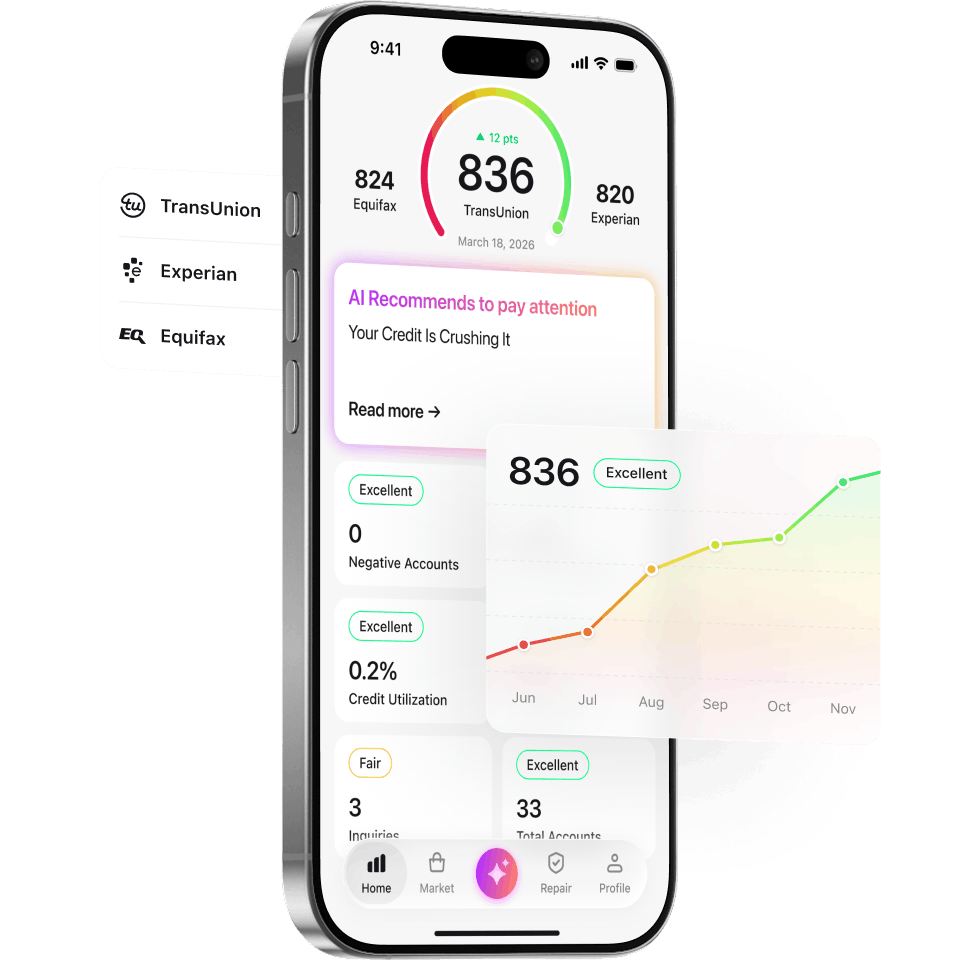
Credit Booster AI leads on price and technology. It analyzes your report, flags errors, generates dispute letters, files to all three bureaus, and tracks progress. Every option here is built to comply with CROA and the TSR, the exact rules Lexington Law ignored.
Download Credit Booster AI, free on iOS and Android. It is the most automated Lexington Law alternative for hands-off repair.
Best Lexington Law Alternative for Each Situation
Not everyone needs the same replacement. Match your situation to the right option:
- Best overall and best for most people: Credit Booster AI. The combination of automation, a 90-day guarantee, and a $29 starting price makes it the easiest switch for the typical former Lexington Law customer.
- Best for complex or stubborn cases: Credit Saint. If you are fighting repossessions, charge-offs, or multiple collections, a dedicated case manager and 23-plus years of experience matter.
- Best for speed plus protection: The Credit Pros. First results often show in about 30 days, and identity theft insurance is bundled in.
- Best for couples and families: Sky Blue Credit. One flat couples rate and a partial money-back option after six months suit multi-person households.
- Best on a tight budget with bilingual support: Lateco. A $59 entry plan with Spanish-language service. For more language-specific guidance, see our overview of credit repair help for Spanish speakers.
- Best for set-and-forget monitoring: Dovly. Automated disputes with a free tier, good for people who want light-touch maintenance rather than aggressive cleanup.
- Best if you have only a few errors and time: DIY. Pull your reports, use Fair Credit Reporting Act dispute templates, and mail them yourself.
Feature Comparison: What Each Lexington Law Alternative Offers
Credit Booster AI: AI-Powered Precision
Credit Booster AI is the standout Lexington Law alternative for automation. Upload your report, which you can pull free each week at AnnualCreditReport.com, and the AI scans for Fair Credit Reporting Act violations: late payments misreported by 30 or more days, duplicate accounts, outdated entries, and accounts that should have aged off. It then generates dispute letters ready for certified mail, files to Equifax, Experian, and TransUnion, and tracks every response.
The score simulator is the standout feature. It predicts the impact of specific moves, for example “drop utilization 10 percent, gain roughly 35 points.” Users report around 75-point averages over three months. Removing human middlemen reduces the errors that plagued large call-center operations like Lexington Law. If you want a direct face-off, read our detailed Credit Booster AI versus Lexington Law comparison.
The tradeoff: it works best for people comfortable with an app, and severe identity-theft cases may still need manual follow-up.
Credit Saint: Veteran Reliability
Credit Saint ranks at or near the top of most 2026 roundups. It offers tiered plans, unlimited disputes, creditor interventions, and inquiry challenges, backed by a 90-day money-back guarantee. Its strength is complex cases like repossessions, where a dedicated case manager reviews everything. The weakness is a slower, fully manual process and a higher price with no AI tooling.
The Credit Pros: Fast and Flashy
A frequent top pick for speed. AI assists with disputes, and plans add a score tracker plus identity theft insurance. Three tiers are offered, with the mid tier suiting most users. First results can appear in about 30 days. The downsides are no refunds and tier creep, where the most useful extras sit in the priciest plan.
Sky Blue Credit: Family-Friendly
Sky Blue offers unlimited disputes for couples at a single flat rate and a 50 percent money-back option after six months if your score has not improved. It is a strong fit for multi-person households, though its measured pace can frustrate anyone hoping for a quick fix.
Lateco Credit Repair: Budget Bilingual Option
A budget entry plan with debt validation and bilingual support aimed at Latino consumers. It is affordable for basic cleanups, but disputes per round are capped and the company is newer and less proven than the established players.
Dovly: Automated Monitoring
Dovly runs largely on autopilot, with a free tier and a low-cost paid plan that files disputes automatically and monitors changes. It is ideal for light, ongoing maintenance rather than heavy cleanup, and it pairs well with the habit-building steps later in this guide.
DIY: Free but Hands-On
Pull your reports, use Federal Trade Commission and Consumer Financial Protection Bureau dispute templates, and mail challenges yourself. Bureaus must respond within roughly 45 days under FCRA Section 611. This is ideal for a handful of clear errors. Free apps help you track progress. The catch is time: expect to spend several hours a month, and DIY can miss the nuances that experienced disputers catch. Our guide to the best free credit repair options in 2026 covers the no-cost route in depth.
Winner on features? Credit Booster AI. It automates the bulk of the work Lexington Law promised but could not deliver legally.
Pricing Comparison: What You Will Pay Post-Lexington Law
Lexington Law charged roughly $100 to $150 per month before the shutdown, much of it pure margin until the CFPB stepped in. The 2026 alternatives are cheaper and CROA-compliant, meaning fees apply only after work is performed.
- Credit Booster AI: $29 basic (AI disputes), $49 pro (tracking plus simulator), $69 premium (priority letters). No setup fee, cancel anytime.
- Credit Saint: $80 starter, $110 core, $140 top tier, with a setup fee on some plans.
- The Credit Pros: $69 to $149 depending on tier, with a setup fee on higher plans.
- Sky Blue: $79 individual, $119 couples, no setup fee.
- Lateco: $59 basic, $99 unlimited, small setup fee.
- Dovly: free tier or about $39 for the premium automated plan.
- DIY: $0 plus roughly $5 to $10 in postage per month.
Over a typical six-month engagement, Credit Booster AI runs about $174 to $414 total versus $600 or more for a premium service. That is roughly 60 to 70 percent in savings. For a wider price survey, see our breakdown of what credit repair actually costs in 2026. The bigger lesson from the Lexington Law CFPB case stands: any company demanding fees before doing the work is breaking the law.
Pros and Cons: Honest Breakdown of Each Option
Credit Booster AI
- Pros: lowest-cost AI option, 90-day guarantee, mobile convenience, tracks all three bureaus.
- Cons: less human hand-holding for severe fraud cases.
Credit Saint
- Pros: long track record, strong success on complex items, money-back guarantee.
- Cons: pricier, slower, no automation.
The Credit Pros
- Pros: quick first results, identity protection included.
- Cons: no refunds, best features locked in higher tiers.
Sky Blue
- Pros: couples discount, partial refund option.
- Cons: deliberate, slower pace.
Lateco
- Pros: low cost, bilingual support.
- Cons: dispute caps, less established.
Dovly
- Pros: automated, free tier available.
- Cons: limited control, lighter cleanup.
DIY
- Pros: free, full control.
- Cons: time-consuming, easy to miss nuances.
Before signing with anyone, it pays to know the warning signs. Our guide to credit repair scams to avoid lists the exact tactics, including upfront fees and guaranteed results, that got Lexington Law shut down in the first place.
How Lexington Law’s Alternatives Stack Up Against the Industry
The credit repair field is crowded, and quality varies widely. Established review sites generally rank a small group of compliant, well-reviewed providers at the top, and the names in this guide appear consistently. For a broader landscape view beyond the seven covered here, our roundup of the best credit repair companies in 2026 compares a longer list, and if you prefer app-based tools specifically, see the best credit repair apps in 2026. The common thread among legitimate options is the same: transparent pricing, no advance fees, no guarantees, and a clear focus on disputing verifiable errors under the Fair Credit Reporting Act.
It is also worth being honest about expectations. Independent research shows that disputing genuinely accurate negative information rarely works, and no service can remove correct items permanently. The value of a good provider is speed, organization, and catching real errors you might miss, not magic. If you want to understand the realistic ceiling, read do credit repair companies actually work.
Verdict: The Best Lexington Law Alternative in 2026
Credit Booster AI is the top Lexington Law alternative for most people. It is 50 to 70 percent cheaper than a premium service, uses AI for faster and more accurate disputes, and fits a mobile-first lifestyle. Credit Saint edges it out on complex cases, and The Credit Pros wins on raw speed, but the $29 entry point and full automation make Credit Booster AI the easiest switch for the typical former Lexington Law customer, especially with refunds uncertain and the old company gone for good.
No tool replaces good habits. Pair any service with the basics: pay on time, since payment history is about 35 percent of a FICO score, and keep utilization under 30 percent. For tens of millions of Americans with challenged credit, this approach beats waiting on a defunct giant.
Download Credit Booster AI today, scan your report for free, and start disputing errors.
How to Switch from Lexington Law: Step-by-Step Action Plan
- Pull your reports. Get all three free at AnnualCreditReport.com, now available weekly.
- Check your refund eligibility. Visit cfpb-lexlaw.org to see if you are owed money from the settlement.
- Cancel any old auto-payments. Stop any lingering Lexington Law or CreditRepair.com charges on your statement.
- Choose your provider. Start with a Credit Booster AI scan, or pick the best-fit option from the table above.
- Dispute the errors. Let the tool generate and track letters, or mail them yourself if going DIY.
- Monitor monthly. Expect 3 to 6 months for meaningful movement.
- Build lasting habits. Use secured cards, automatic on-time payments, and low utilization.
Avoid the trap that ended Lexington Law: never trust a “200-point guarantee” or any company that charges before it works. The CFPB and FTC continue to receive tens of thousands of complaints about credit repair schemes, so choosing a compliant provider protects both your wallet and your credit.
Frequently Asked Questions
Is Lexington Law still in business in 2026?
No. Lexington Law shut down in 2023 after a $2.7 billion CFPB judgment and parent company Progrexion filed for bankruptcy. The company is closed, has not relaunched, and is not accepting new clients. Its old domains now redirect to refund and warning pages.
What happened to Lexington Law?
A Utah federal court ruled in 2023 that Lexington Law, CreditRepair.com, and parent Progrexion violated the Telemarketing Sales Rule by charging illegal advance fees and ran deceptive ads under the Consumer Financial Protection Act. The $2.7 billion judgment and a 10-year telemarketing ban forced the company into bankruptcy and closure.
Was this a Lexington Law FTC case or a CFPB case?
It is commonly searched as the Lexington Law FTC case, but it was actually led by the Consumer Financial Protection Bureau. The CFPB filed the suit and the federal court entered the $2.7 billion judgment in March 2023.
Am I eligible for a Lexington Law refund?
You may be eligible if you paid Lexington Law or CreditRepair.com through telemarketing between March 2016 and August 2023, or through affiliate marketing between 2011 and 2023. Visit cfpb-lexlaw.org or call 855-680-8991. Checks were mailed automatically, but the bankruptcy froze most funds, so amounts are limited.
What is the best Lexington Law alternative?
For most people, Credit Booster AI is the best alternative because it automates report analysis and dispute letters for $29 to $69 a month with a 90-day guarantee. Credit Saint is better for complex cases like repossessions, and DIY is best if you have only a few simple errors and plenty of time.
Can a Lexington Law alternative guarantee a specific score increase?
No. Guaranteeing a specific point increase is illegal under the Credit Repair Organizations Act. Legitimate services dispute verifiable errors under the Fair Credit Reporting Act only. Typical results are 50 to 100 points, though some people see little change if their reports are accurate.
How long does it take a Lexington Law alternative to improve my credit?
Expect 3 to 6 months for meaningful movement. The first round of disputes usually resolves in 30 to 45 days because the bureaus must respond within that window. AI tools like Credit Booster AI shorten the prep time by drafting letters and tracking responses automatically.
Is it safe to switch from Lexington Law to another company?
Yes, and it is necessary because Lexington Law no longer provides any service. Choose a CROA-compliant provider that charges only after work is performed, has low CFPB complaint volume, and never promises guaranteed results. Cancel any old auto-payments and pull your reports before you start.
Monitor your credit score and protect your identity with Credit Club, our credit monitoring and identity protection membership.
Need professional help? CreditBooster.com has been helping clients rebuild their credit since 2009.
Frequently Asked Questions
Is Lexington Law still in business in 2026?
No. Lexington Law shut down in 2023 after a $2.7 billion CFPB judgment and parent company Progrexion filed for bankruptcy. The company is closed, has not relaunched, and is not accepting new clients. Its old domains now redirect to refund and warning pages.
What happened to Lexington Law?
A Utah federal court ruled in 2023 that Lexington Law, CreditRepair.com, and parent Progrexion violated the Telemarketing Sales Rule by charging illegal advance fees and ran deceptive ads under the Consumer Financial Protection Act. The $2.7 billion judgment and a 10-year telemarketing ban forced the company into bankruptcy and closure.
Was this a Lexington Law FTC case or a CFPB case?
It is commonly searched as the Lexington Law FTC case, but it was actually led by the Consumer Financial Protection Bureau (CFPB). The CFPB filed the suit and the federal court entered the $2.7 billion judgment in March 2023.
Am I eligible for a Lexington Law refund?
You may be eligible if you paid Lexington Law or CreditRepair.com through telemarketing between March 2016 and August 2023, or through affiliate marketing between 2011 and 2023. Visit cfpb-lexlaw.org or call 855-680-8991. Checks were mailed automatically, but the bankruptcy froze most funds, so amounts are limited.
What is the best Lexington Law alternative?
For most people, Credit Booster AI is the best alternative because it automates report analysis and dispute letters for $29 to $69 a month with a 90-day guarantee. Credit Saint is better for complex cases like repossessions, and DIY is best if you have only a few simple errors and plenty of time.
Can a Lexington Law alternative guarantee a specific score increase?
No. Guaranteeing a specific point increase is illegal under the Credit Repair Organizations Act (CROA). Legitimate services dispute verifiable errors under the Fair Credit Reporting Act only. Typical results are 50 to 100 points, though some people see little change if their reports are accurate.
How long does it take a Lexington Law alternative to improve my credit?
Expect 3 to 6 months for meaningful movement. The first round of disputes usually resolves in 30 to 45 days because the bureaus must respond within that window. AI tools like Credit Booster AI shorten the prep time by drafting letters and tracking responses automatically.
Is it safe to switch from Lexington Law to another company?
Yes, and it is necessary because Lexington Law no longer provides any service. Choose a CROA-compliant provider that charges only after work is performed, has low CFPB complaint volume, and never promises guaranteed results. Cancel any old auto-payments and pull your reports before you start.