Why Debt Validation Letters Stop Collectors in Their Tracks
Got a debt collector hounding you? Send a debt validation letter right away. This simple letter forces them to prove the debt is yours under the Fair Debt Collection Practices Act (FDCPA), halting all collection until they deliver solid evidence[1][2][3][7][9]. You’ll pause calls, letters, and credit dings, buying time to verify if it’s legit.
Think of it as your shield. Collectors must provide proof like signed contracts and itemized breakdowns, or they back off[2][3]. Experts call it the “single most important tool” for flipping the script[2]. Ready to demand debt validation? Follow these steps.
What Is a Debt Validation Letter, And Why Send One Now?
A debt validation letter (or debt verification letter) is your written demand for proof after a collector contacts you[1][2][3][7]. The FDCPA (15 U.S.C. § 1692g) gives you 30 days from their initial notice to dispute and demand debt validation[1][2][3][4][6][7][8][9].
Collectors send their own “validation notice” first, within 5 days of contact, with basics like amount owed and your dispute rights[1][2][3][4][5]. But that’s not proof. Your letter shifts the burden: they cease everything until they mail verification[2][3][7][9].
Why bother? Up to 40% of collections involve errors or “zombie debts” past the statute of limitations[2][9]. One letter exposes fakes. Plus, violations net you up to $1,000 in damages[9]. Don’t pay a dime first, promises restart clocks[1][9].
Your Rights Under the FDCPA: Know Before You Write
The FDCPA protects 70 million Americans yearly from third-party collectors on personal debts over $500[3][8]. Key rules:
- 30-day window: Dispute in writing from notice receipt. No verbal counts[2][6][8][9].
- Collection freeze: No calls, letters, or credit reporting until they validate[2][3][7][9].
- Proof required: Original creditor details, signed contract, itemized principal/interest/fees, chain of ownership, state license, and statute check[1][2][3].
Original creditors? FDCPA skips them, handle separately[1][4][9]. Lawsuits brewing? Validation pauses non-response suits[3][6]. State laws add teeth, like licensing proof[2][3].
Step-by-Step: How to Write and Send a Debt Validation Letter
Act fast, within 30 days. Here’s your numbered playbook.
- Gather their notice: Note date received, account number, collector’s address[1][2][6][7].
- Draft the letter: Use this expert template, customized from Ginsburg Law[2]. Fill brackets.
[Your Full Name]
[Your Street Address]
[Your City, State, ZIP Code]
[Date]

[Debt Collector’s Name]
[Debt Collector’s Street Address]
[Debt Collector’s City, State, ZIP Code]

RE: Account Number [Account Number Provided by Collector]

To Whom It May Concern:

I dispute the alleged debt from your [date of their letter] notice under 15 U.S.C. § 1692g. **Demand debt validation** now. Provide:

- Proof you're licensed to collect in my state.
- Original creditor's name and address.
- Original account number and establishment date.
- Copy of signed contract/agreement.
- Itemized accounting: principal, interest, fees, charges.
- Chain of ownership documents.
- Verification statute of limitations hasn't expired in [your state].

Cease all collection, including calls, letters, credit reporting, until validated.

Sincerely,
[Your Printed Name]
[Your Signature]
Short. Firm. Covers everything[2][3][9].
- Print duplicates: Two copies. Sign the sender’s; keep unsigned twin[2].
- Send certified mail, return receipt: Proves delivery, FDCPA gold[1][2][3][7]. Skip email.
- File copies: Log date sent. Track 30 days for their response[3][7][9].
Example: Collector claims $2,500 from “CreditCard Co.” Your letter demands the signed app showing you opened it, plus how fees hit $800. Boom, burden’s theirs.
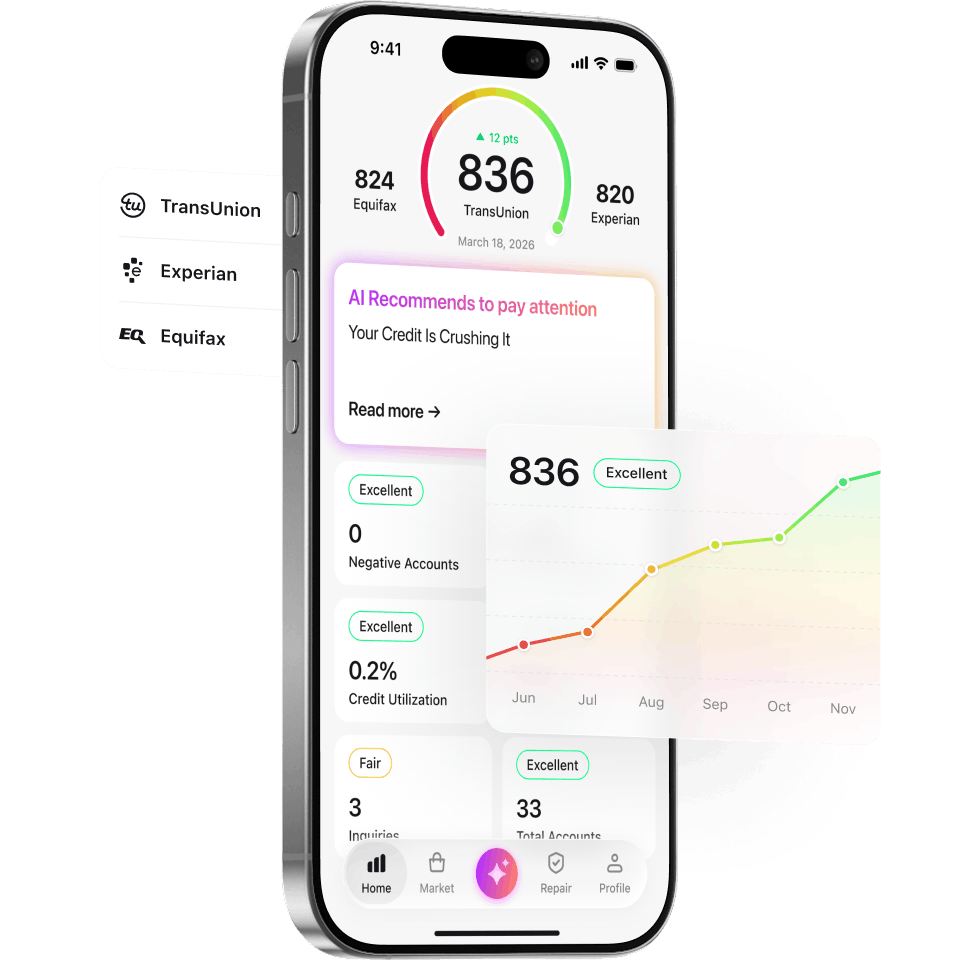
Download Credit Booster AI,free on iOS and Android. It scans reports, spots collections, and generates debt validation letters tailored to your situation.
What Counts as Valid Proof? (And What Doesn’t)
Collectors can’t slide by with spreadsheets. Demand concrete evidence[1][2][3]:
| Required Proof | Why It Matters | Junk They Might Send (Reject It) |
|---|---|---|
| Signed contract copy | Proves you agreed | Unsigned summary |
| Itemized breakdown (e.g., $1,200 principal + $300 interest + $100 fees = $1,600) | Shows math | Lump “balance due” |
| Chain of title (purchase agreements) | Confirms their ownership | Verbal claims |
| State license | Legal to collect there | No proof |
| Statute check (e.g., 6 years in California) | Blocks zombies | Ignored |
Review theirs closely. Wrong amount? Expired debt? Dispute further[1][3]. No response in 30 days? CFPB complaint time[3][7][9].
Real example: Jane got a $4,000 claim. Validation showed chain broke, no ownership docs. Debt vanished[2].
Common Mistakes That Kill Your Leverage
Don’t trip up.
- Verbal disputes: Writing only. Phone chats waive rights[2][6][8][9].
- Paying early: Resets statute[1][9].
- Ignoring after 30 days: Still send, creates records, demands info[7].
- Weak demands: List specifics, not “prove it”[2][3][9].
- No tracking: Log everything for lawsuits[3][7].
Myth busted: They can collect during validation? Nope, full stop[2][3][7][9].
What Happens After You Send the Debt Validation Letter?
- They freeze: Mandatory[2][3][7][9].
- Response arrives: Scrutinize. Errors? Negotiate or re-dispute.
- No reply: Complain to CFPB/FTC. Sue for $1,000[3][7][9].
- Valid debt: Settle smart, pay-for-delete? 40% drop possible[2].
Tailor for debt buyers (demand purchase docs) or estates (heir proof)[2]. CFPB digital complaints up 15% in 2025, paper trails win[3][8].
Credit Booster AI shines here: AI analyzes responses, flags weaknesses, tracks disputes. Pair it with your letter for max impact.
Advanced Tips: Negotiate or Fight Back
Validation often kills claims, collectors drop 90% of weak ones[2]. Valid? Counteroffer: “Pay $1,200 lump for $2,500 delete.” Document.
Lawsuit? File validation as defense[3]. States vary, California’s 4-year statute? Check yours[2].
Pro tip: Multiple collectors? Hit each separately.
Frequently Asked Questions
What is a debt validation letter?
A debt validation letter is your written demand to a collector proving the debt under FDCPA. Send within 30 days of their notice to halt collections until they provide evidence like contracts and itemized statements[1][2][3][7][9].
How do I demand debt validation from a collector?
Write a formal letter listing specifics (creditor, contract, breakdown), send certified mail. Use templates from CFPB or experts, cease-collection clause included[2][3][7].
Can collectors keep calling after my debt verification letter?
No. FDCPA requires they stop all activities, including calls and credit reporting, until validation is mailed[2][3][7][9].
What if they don’t respond to my debt validation letter?
Wait 30 days, then file CFPB/FTC complaints. No response violates FDCPA, opening $1,000 damages[3][7][9].
Does a debt validation letter work on original creditors?
No, FDCPA targets third-party collectors only. Original creditors aren’t bound, use state laws or goodwill requests[1][4][9].
Is it too late to send a debt validation letter after 30 days?
Not useless, it demands info and builds records, though they can collect meanwhile. Always better early[7].
Download Credit Booster AI,free on iOS and Android. Let AI handle the heavy lifting for cleaner credit.
(Word count: 1523)
Related research: For a deeper analysis of debt validation letter strategies, see our research library at JoinCreditClub.com.
Need professional help? CreditBooster.com has been helping clients rebuild their credit since 2009.
Frequently Asked Questions
What is a debt validation letter?
A debt validation letter is your written demand to a collector proving the debt under FDCPA. Send within 30 days of their notice to halt collections until they provide evidence like contracts and itemized statements.
How do I demand debt validation from a collector?
Write a formal letter listing specifics (creditor, contract, breakdown), send certified mail. Use templates from CFPB or experts, cease-collection clause included.
Can collectors keep calling after my debt verification letter?
No. FDCPA requires they stop all activities, including calls and credit reporting, until validation is mailed.
What if they don't respond to my debt validation letter?
Wait 30 days, then file CFPB/FTC complaints. No response violates FDCPA, opening $1,000 damages.
Does a debt validation letter work on original creditors?
No, FDCPA targets third-party collectors only. Original creditors aren't bound, use state laws or goodwill requests.
Is it too late to send a debt validation letter after 30 days?
Not useless, it demands info and builds records, though they can collect meanwhile. Always better early. [Download Credit Booster AI](https://creditbooster.ai/download),free on iOS and Android. Let AI handle the heavy lifting for cleaner credit. *(Word count: 1523)*