Why Debt Management Strategies Matter More Than Ever
Household debt in the US hit $17.8 trillion in Q4 2025, with credit card balances alone at $1.14 trillion, up 5% from the year before, thanks to sky-high 21-24% APRs on revolving accounts[2][4]. The average household shoulders $103,358 total, including $6,501 on cards[2]. Stuck making minimum payments? You’ll mostly feed interest, for a $10,000 balance at 20% APR, that’s 27 years and $18,000 extra[2][5]. But here’s the good news: structured debt management strategies like snowball or avalanche boast 65% success rates in 24-36 months, crushing the 42% for minimum-only payers[4]. Ready to reclaim control?
Understanding Your Debt: Start with a Full Inventory
Before diving into how to pay off debt, know exactly what you’re fighting. List every balance, APR, minimum payment, and due date. Sort twice: once smallest-to-largest for snowball, once highest-APR-first for avalanche[2][3][4].
Why Inventory Beats Guessing
Ever chase shadows? Without this step, you’re blind. Experts at Fortune insist it’s step one, psychological momentum from snowball or math wins from avalanche depend on clear numbers[2]. Tools like spreadsheets or apps make it painless.
Real Numbers Example
Say you’ve got:
- $2,000 card at 22% APR, $70 min.
- $4,000 loan at 19%, $120 min.
- $5,000 card at 27%, $150 min.
Total mins: $340. Extra $100/mo? That’s your weapon[2].
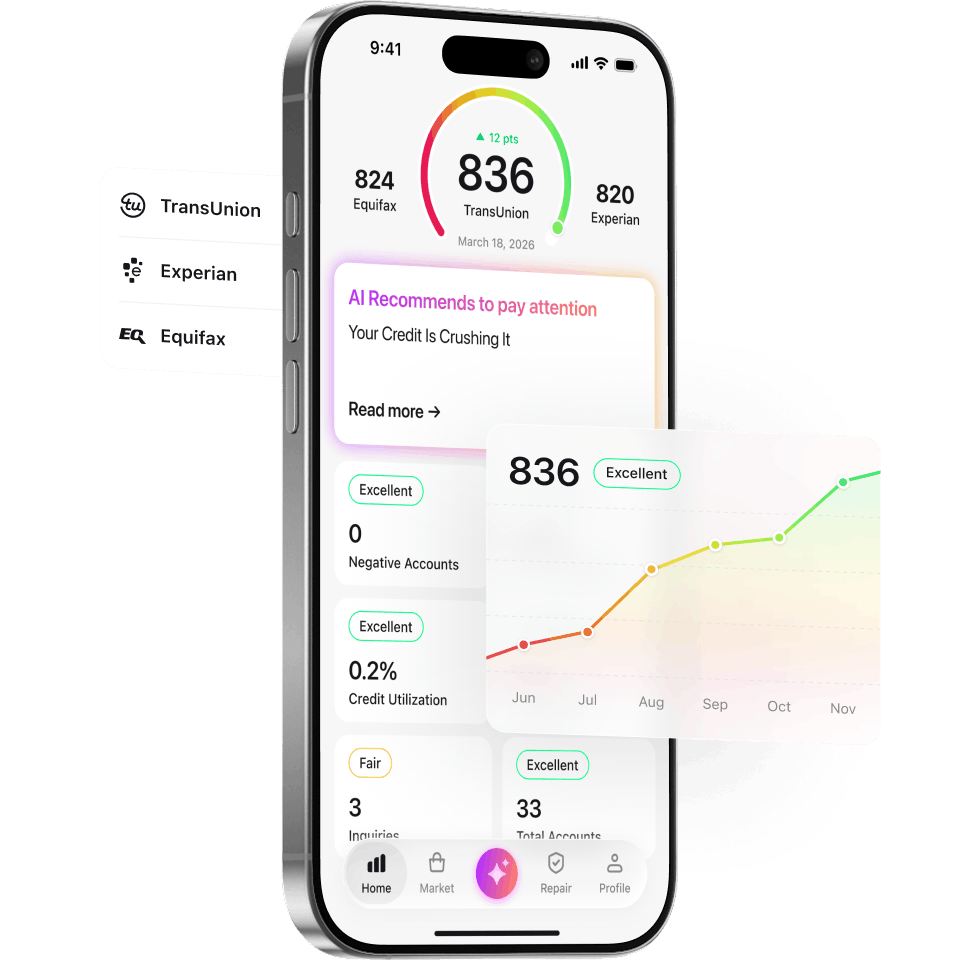
Credit Booster AI scans your reports, spots errors, and builds this inventory instantly, pair it with manual tweaks for precision.
Debt Snowball vs Avalanche: Which Wins for Your Debt Reduction Plan?
The eternal debate: debt snowball vs avalanche. Snowball crushes smallest balances first for quick dopamine hits. Avalanche nukes highest interest to slash costs. Both work, but pick based on your brain and bucks[2][3][4].
Debt Snowball Method Explained
Pay minimums everywhere, dump extras on tiniest debt. Paid? Roll that full payment to the next. Users stick 78% better thanks to “quick wins”[2][4]. Ideal for 5+ small debts.
Example: Above list, hit $2k first. Gone in ~15 months with $100 extra. Momentum rolls[2].
Debt Avalanche Method Breakdown
Minimums on all, extras to priciest APR. Saves $1,200-2,500 on $20k debt over 3 years[2][3]. Best for high-APR monsters (>18%).
Example: Tackle $5k at 27% first. Math nerds rejoice, 15-20% interest savings post-2025 Fed cuts to 4.25-4.5%[6].
| Aspect | Debt Snowball | Debt Avalanche |
|---|---|---|
| Priority | Smallest balance first[2][3][4] | Highest interest rate first[1][2][3] |
| Pros | Quick wins, motivation (78% adherence)[2][4] | Saves $1,200+ interest on $20k debt[2][3] |
| Cons | Higher total interest[2] | Slower visible progress[2][4] |
| Best For | Multiple small debts, behavioral focus[3][5] | High-APR debts (>18%), cost savings[1][6] |
| Example ($11k total debt) | Pay $2k first, then roll $70/mo[2] | Pay 27% APR $5k first[2] |
Snowball costs <$500 more mid-sized debt, but motivation speeds finish 20-30%[2][4]. Test both with online calculators.
Hybrid Approach: Best of Both Worlds
Avalanche high-APR (>18%), snowball low ones for morale. Western Southern pros swear by it[4].
Download Credit Booster AI,free on iOS and Android. It simulates snowball vs avalanche on your real debts, generates dispute letters for errors, and tracks wins.
Building a Bulletproof Debt Reduction Plan
A plan without action? Useless. Aim for 10-20% over minimums, cuts payoff 2-3 years[5].
Ruthless Budgeting Basics
Track 30 days. Slash 10-20% (dining out? Gone). Follow 50/30/20: 50% needs, 30% wants, 20% debt/savings, tweak for heavy loads[4][5][6]. Surplus? Extra payments.
Boost Payments Like a Pro
Add $50-100/mo per debt. Windfalls (refunds, bonuses)? 100% to target[2][4]. Gig side hustles net $200-500/mo, apply fully[2][3].
Automate for No-Brainers
Autopay above min. Apps visualize progress, staves off temptation[5][6].
Debt Consolidation: Simplify or Trap?
Merging debts into one loan or transfer. Drops average APR from 19% to 12% for 40% of 670+ scorers[2][3]. Q1 2026 saw 12% more approvals amid stable rates[6].
When Consolidation Shines
- Loans under 12% APR.
- Balance transfers: 0% intro 12-24 months (Chase/Citi extended late 2025), save $800-1,500/year on $10k despite 3-5% fees[2][3].
Catch: Scores below 650? Skip, rebound risk 25% sans budget[3][4].
DMPs via Credit Counseling
NFCC agencies up 22% enrollment 2025-2026, slash rates 22% to 9%[6]. Free consults negotiate 30-50% cuts for >40% DTI[6]. FTC caps fees: $50 setup, $25/mo[6].
Myth busted: Consolidation doesn’t erase debt, just refinances. New habits or repeat[3][4].
Advanced Debt Management Strategies for Stubborn Debt
Exhausted basics? Level up.
Balance Transfers Deep Dive
Under $15k cards? Prime. Payoff in promo or boom, 25%+ post[2][3]. MoneyTree projects 24 months interest-free[3].
Increase Income Streams
Gig economy: $200-500/mo easy. All to debt[2][3].
Negotiate Directly
Call creditors early. Lower payments? Possible pre-collector[6]. Protect credit, on-time 35% of score[2][6].
Settlement and Bankruptcy Last Resorts
Settlement: 100-150 point hit, 7 years[4][6]. Taxable >$600 forgiven (1099-C)[3]. Bankruptcy: Ch.7 discharges unsecured, 10-year scar; pre-filing counseling required[6].
State usury caps 36% (20+ states), but cards federal-exempt[2]. CFPB: Report predators[6].
Protecting Your Credit Score While Paying Off Debt
How to pay off debt without tanking score? On-time payments (35%), <30% utilization[2][6]. DMPs dodge delinquencies[6]. FCRA: Lates linger 7 years[6].
Credit Booster AI analyzes reports, IDs errors (boosts scores fast), generates letters, tracks progress. It’s your sidekick, not savior.
Quick Wins
- Keep old accounts open post-payoff.
- Avoid new apps.
Common Pitfalls and Misconceptions in Debt Management Strategies
Don’t trip.
- Min payments OK? Nope, interest trap[2][5].
- Snowball always pricier? Motivation trumps $500[2][4].
- Transfers free? Fees + promo cliff[2][3].
- Settlement score-safe? Hard no[4][6].
Predatory loans spiked 8% hidden fees >6%[6]. Vet NFCC-approved[6].
Long-Term Habits to Stay Debt-Free
Paid off? Don’t yo-yo. Emergency fund 3-6 months. 50/30/20 forever. Revisit inventory yearly.
Experts: Pay yourself first, savings/debt before bills[4].
Download Credit Booster AI today. Free on iOS/Android, AI-powered inventory, simulations, disputes.
(Word count: 3021)
Frequently Asked Questions
What’s the fastest way to pay off debt?
Combine avalanche for high-APR debts with extra payments 10-20% over minimums, cuts 2-3 years[5]. Track with apps for consistency[2][4].
Debt snowball or avalanche, which is better?
Snowball if motivation lags (78% adherence)[2][4]; avalanche saves $1,200+ on $20k[2][3]. Hybrid often wins[4].
Does debt consolidation hurt your credit?
Short-term dip from inquiry, but on-time simplifies score (35% payment history)[2][6]. Needs 670+ score[2][3].
Can I pay off debt while building credit?
Yes, timely payments, <30% utilization. Dispute errors via apps like Credit Booster AI[2][6].
What’s a debt management plan (DMP)?
NFCC-negotiated lower rates (22% to 9%), one payment. Ideal >40% DTI, low fees[6].
Is debt settlement worth it?
Last resort, 100-150 point hit, taxable forgiveness[3][4][6]. Try DMPs first.
Related research: For a deeper analysis of comprehensive debt and credit recovery strategies, see our research library at JoinCreditClub.com.
Need professional help? CreditBooster.com has been helping clients rebuild their credit since 2009.
Frequently Asked Questions
What's the fastest way to pay off debt?
Combine avalanche for high-APR debts with extra payments 10-20% over minimums, cuts 2-3 years. Track with apps for consistency.
Debt snowball or avalanche, which is better?
Snowball if motivation lags (78% adherence); avalanche saves $1,200+ on $20k. Hybrid often wins.
Does debt consolidation hurt your credit?
Short-term dip from inquiry, but on-time simplifies score (35% payment history). Needs 670+ score.
Can I pay off debt while building credit?
Yes, timely payments, <30% utilization. Dispute errors via apps like Credit Booster AI.
What's a debt management plan (DMP)?
NFCC-negotiated lower rates (22% to 9%), one payment. Ideal >40% DTI, low fees.
Is debt settlement worth it?
Last resort, 100-150 point hit, taxable forgiveness. Try DMPs first.