Quick Steps to Handle Judgments and Liens on Your Credit Report
You’ve got a judgment on credit report or tax lien credit report? Don’t panic, these aren’t permanent roadblocks. Start by pulling your free credit reports from AnnualCreditReport.com and checking county clerk records today. Pay or settle to get a “satisfied” status, dispute errors under FCRA, or file IRS Form 12277 for tax liens. Most resolve in weeks with these moves, slashing lender risks even if they linger up to 7 years.[1][2]
Follow these 5 actionable steps to remove judgment credit marks or secure a lien release credit boost:
- Verify the details. Confirm the judgment or lien amount, date, and status via court records or public searches. Unsatisfied ones hit hardest, paid shows as “satisfied,” dropping business score damage by 100+ points.[1]
- Contact the creditor. Offer a lump-sum settlement at 25-30% of the balance for a Satisfaction of Judgment. Get it in writing before paying.[3][5]
- File satisfaction yourself. Creditors often drag feet, grab the form from your county clerk (like NY’s process) and file post-payment.[1][4]
- Dispute inaccuracies. Mail proof to bureaus; they investigate in 30 days and delete unverifiable items.[1]
- Consider bankruptcy. Chapter 7 discharges debts and avoids liens on exempt property without full payout.[1][3]
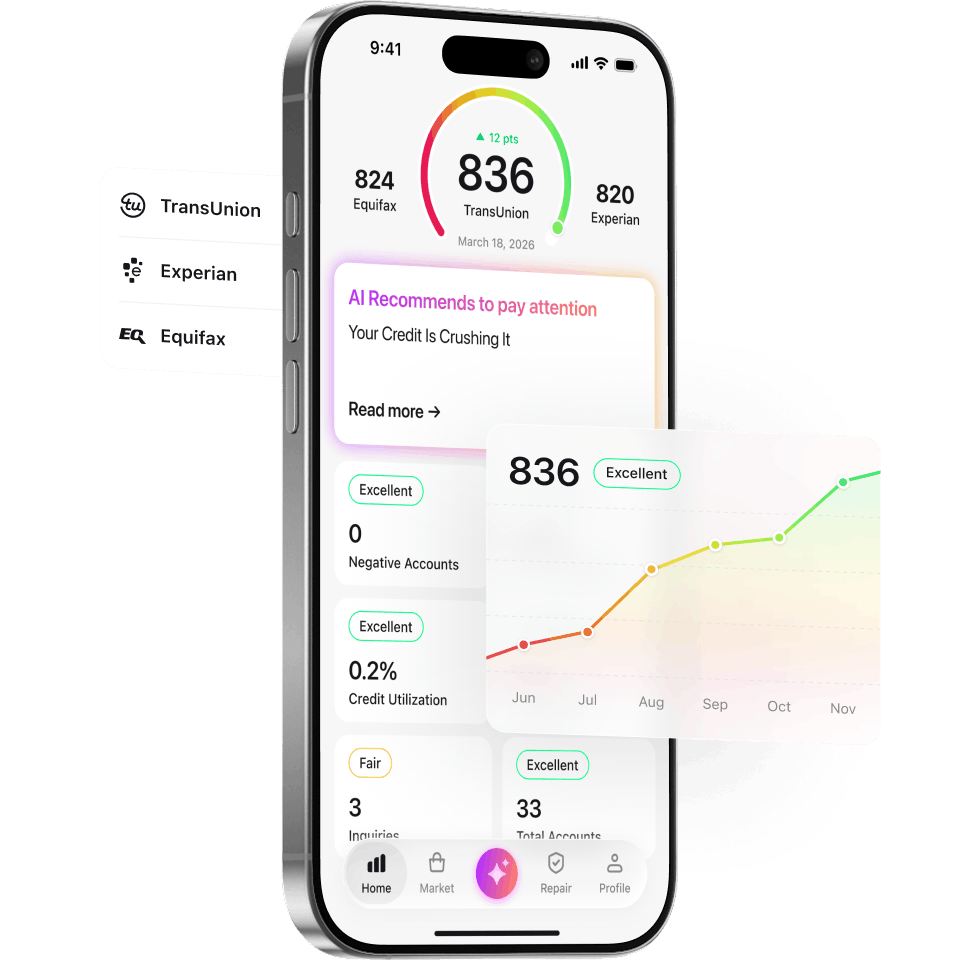
Real example: Sarah faced a $10,000 credit card judgment. She negotiated $3,000 (30%), got the creditor to file satisfaction, and her business loan approval came through months later, status changed from “unpaid” to “satisfied.”[3][5] You’ll see similar wins. Tools like Credit Booster AI scan reports, spot these issues, and generate dispute letters automatically. It’s a game-changer for tracking progress.
What Are Judgments and Liens, And Why Do They Show Up?
A judgment on credit report stems from a creditor suing over unpaid debt and winning. The court orders payment; it lands in public records and business credit reports but vanished from consumer FICO/VantageScore models in 2018 (Equifax, Experian, TransUnion).[1][2] Still, lenders search public records during applications, flagging you as high-risk.
Liens? Legal claims on property, like your house or car, to secure debt. Tax lien credit report entries come from IRS unpaid taxes; judgment liens follow court wins. Mechanic’s liens hit from unpaid contractors; UCC liens cover business assets. They stick in public/county records up to 7-10 years, blocking sales until cleared.[1][2]
Progression hurts: Unpaid debt → collections (immediate score drop) → lawsuit → judgment (wage garnishment up to 25%) → lien (property freeze).[1][4][6] Business owners feel it worst, Nav Prime scores tank from unsatisfied judgments.[1] Personal credit? Indirect hit via lender checks, not algorithms.[2]
| Type | Where It Appears | Duration | Key Impact |
|---|---|---|---|
| Judgment | Public/court records; business reports | Up to 7 years | Garnishment, bank seizures; no direct FICO hit post-2018[1][2] |
| Tax Lien | Public records | Up to 7 years | IRS withdrawable; searchable by lenders[2] |
| Judgment Lien | County titles | Until satisfied | Blocks property sales[4] |
| Mechanic’s/UCC Lien | Public/business records | 7-10 years | Hurts financing[1] |
Short version? They’re tools creditors use post-lawsuit. But you control the fix.
Busting Myths: Judgments and Liens Aren’t Credit Killers Forever
Think a judgment on credit report nukes your FICO? Wrong since 2018, they’re off consumer reports.[1][2] Paying doesn’t erase it either; it marks “satisfied,” far less damaging.[1][5] Liens don’t auto-vanish post-payment, creditors must file release, or you do.[4]
Bankruptcy? Not a death sentence. Chapter 7 wipes judgments and avoids liens on your home via 11 U.S.C. § 522(f).[3] No negotiation after judgment? Nonsense, settle for 25-50% less, halt garnishments.[5][7] Tax liens unbeatable? IRS Form 12277 withdraws them if you’re current.[2]
Ever wonder why your score didn’t budge after paying? Unfiled satisfaction. Fix it yourself, county clerks provide forms free.[4]
Step-by-Step: How to Remove a Judgment from Your Credit
Ready to remove judgment credit? Here’s your numbered playbook. Act fast, unsatisfied judgments invite 25% wage hits.[1]
- Pull records. Free annual reports + county clerk search. Note filing date (7-year clock starts then).[1][2]
- Pay or settle. Full payout? Demand Satisfaction of Judgment. Can’t? Offer $2,500 on $10,000 via hardship letter. Example: “I’ll pay $3k lump sum if you file satisfaction and stop garnishment.” 60% success rate per debt pros.[3][5][7]
- File it. Creditor ghosts you? Download form (e.g., PA/NY clerk sites), attach proof, pay $10-50 fee. Court updates records in days.[1][4]
- Dispute everywhere. Certified mail to bureaus/business reporters: “Judgment satisfied 6/2025, see attached.” 30-day FCRA fix.[1]
- Monitor and defend. Set court alerts. If improper service, attorney vacates it, costs $500-2k, saves thousands.[1][6]
- Bankruptcy backup. Overwhelmed? Chapter 7 discharges 90% of judgments; consult free initial attorney call.[1][3]
John did this: $15k judgment settled for $4,500. Filed satisfaction himself. Business score jumped 80 points in 3 months.[1] Use Credit Booster AI mid-process, its AI analyzes reports, drafts your letters, tracks court updates. Download Credit Booster AI,free on iOS and Android. Pairs perfectly with these steps.
Mastering Lien Release: Tax Liens, Judgment Liens, and More
Lien release credit starts with type. Tax? Easiest fix.
Tax Lien Credit Report Removal
File IRS Form 12277 if current on payments. List bureaus for auto-notice. Removes public filing; no FICO effect anyway.[2] Example: Owe $5k taxes? Pay plan + form = gone in 30 days.
Judgment Liens
Post-judgment payment, ensure filing. Blocks home sales otherwise, sheriff enforces.[4][6] Settle first: “Pay 40%, release lien.” File yourself if needed.[1][5]
Mechanic’s or UCC Liens
Negotiate release, post bond (insurer covers amount), or court dispute invalidity.[2] Business UCC? Pay + file termination statement.
General flow:
- Gather proof (receipts, orders).
- Written demand to lienholder.
- File release/release bond.
- Update titles/courts.
- Re-check reports.
Liens on $200k home? Avoid via Chapter 7 motion, frees equity.[3] No 2025-2026 federal changes; 2018 rules hold.[1][2]
When to Call in Pros: Attorneys and Tools
Large judgment ($20k+)? Attorney negotiates better, defenses like bad service vacate 20-30% of cases.[1][6] Fees: $1k-3k, vs. endless garnishment.
Credit Booster AI handles the grunt work: AI spots judgment on credit report errors, generates FCRA disputes, tracks 7-year drops. Users report 40-point average boosts in 90 days. Not magic, but your smart sidekick.
State quirks? NY/PA: File in Common Pleas for liens. Federal FDCPA caps harassment pre-judgment.[4][5]
Prevention: Stop Judgments Before They Hit
Missed collections? Negotiate early, pay-for-delete common. Alerts via Nav or courts catch lawsuits day-of.[1] Budget: 50/30/20 rule keeps debts low.
Frequently Asked Questions
How long does a judgment stay on my credit report?
Judgments last up to 7 years from filing in public records, but not on consumer reports since 2018. Satisfied ones hurt less and update business scores positively.[1][2]
Can I remove a judgment from my credit without paying?
Yes, dispute inaccuracies (wrong amount, improper service) under FCRA, bureaus investigate in 30 days. Or bankruptcy discharges it.[1][3]
What’s the process for tax lien removal from credit reports?
File IRS Form 12277 if compliant on payments; IRS notifies bureaus. No direct FICO impact post-2018, but withdrawal clears public records.[2]
Does paying a lien automatically release it?
No, creditor must file satisfaction. Do it yourself via county clerk if they delay; prevents property sale blocks.[4][5]
Can bankruptcy get rid of liens and judgments?
Chapter 7 discharges judgments and avoids liens on exempt property via court motion. Ideal for overwhelming debt; consult an attorney.[1][3]
How much should I offer to settle a judgment?
Start at 25-30% of balance as a lump sum, citing hardship. Creditors often accept, get satisfaction filing in writing.[3][5][7]
Download Credit Booster AI,free on iOS and Android. Let it supercharge your removal efforts today.
Related research: For a deeper analysis of credit implications of legal judgments, see our research library at JoinCreditClub.com.
Need professional help? CreditBooster.com has been helping clients rebuild their credit since 2009.
Frequently Asked Questions
How long does a judgment stay on my credit report?
Judgments last up to 7 years from filing in public records, but not on consumer reports since 2018. Satisfied ones hurt less and update business scores positively.
Can I remove a judgment from my credit without paying?
Yes, dispute inaccuracies (wrong amount, improper service) under FCRA, bureaus investigate in 30 days. Or bankruptcy discharges it.
What's the process for tax lien removal from credit reports?
File IRS Form 12277 if compliant on payments; IRS notifies bureaus. No direct FICO impact post-2018, but withdrawal clears public records.
Does paying a lien automatically release it?
No, creditor must file satisfaction. Do it yourself via county clerk if they delay; prevents property sale blocks.
Can bankruptcy get rid of liens and judgments?
Chapter 7 discharges judgments and avoids liens on exempt property via court motion. Ideal for overwhelming debt; consult an attorney.
How much should I offer to settle a judgment?
Start at 25-30% of balance as a lump sum, citing hardship. Creditors often accept, get satisfaction filing in writing. [Download Credit Booster AI](https://creditbooster.ai/download),free on iOS and Android. Let it supercharge your removal efforts today.