Start Fixing Your Credit Today: Simple Steps for Post-COVID Recovery
You’ve got lingering late payments or forbearance glitches from the pandemic? Don’t sweat it,credit repair after COVID starts with pulling your reports and disputing errors right now. Under the CARES Act, approved forbearances should have kept accounts current if you weren’t delinquent beforehand, but misreporting happens, and those marks stick around up to 7 years under FCRA rules.[1][2][6] Grab free reports from AnnualCreditReport.com, spot the issues, and follow these steps to wipe them out fast. Pandemic credit damage isn’t permanent; consistent action rebuilds scores in months, not years.[3]
Why COVID Forbearances Still Haunt Credit Reports in 2026
Remember those CARES Act forbearances from 2020? They let you pause federally backed mortgage payments, up to 180 days, no penalties or extra interest beyond normal accrual, if hardship hit, regardless of delinquency status.[1][2] Lenders had to report accommodated accounts as current, but only if you were current pre-forbearance. Miss a payment first? It stayed delinquent.[2][6]
Protections ended years ago, covered period wrapped by late 2020 or 120 days post-emergency.[1][5] Now, in 2026, no new federal relief exists. COVID forbearance credit issues linger as negative items: delinquencies, collections from unpaid hardship gaps. Payment history weighs 35% of your FICO score, so one 90-day late from 2021? That’s dragging you down.[3][4] But here’s the good news: FCRA gives you dispute power. Bureaus must investigate in 30 days and delete unverified junk.[4]
Real example: Sarah paused her FHA mortgage in April 2020 with approval. Her servicer should’ve reported it current, but Experian showed lates. She disputed with the agreement letter, gone in 45 days, score jumped 85 points.[3][4] Your turn.
Step-by-Step Guide: Dispute Pandemic Errors Like a Pro
Ready for post COVID credit recovery? This numbered process fixes pandemic credit damage in weeks. Do it for all three bureaus: Equifax, Experian, TransUnion.
-
Pull Your Free Credit Reports Immediately. Head to AnnualCreditReport.com. You got weekly freebies through 2022; now it’s annual, but disputes don’t count against that. Print or save PDFs.[3][4]
-
Scrub for COVID-Specific Errors. Look for lates during forbearance dates (Jan 31, 2020 onward), unreported accommodations, or post-forbearance delinquencies that should’ve been current after repayment plans. Check student loans too, federal pauses shouldn’t show misses.[4][7] Mark every suspect item.
-
Gather Ironclad Proof. Dig up forbearance letters, servicer emails confirming “current” status, payment stubs, hardship affidavits. No docs? Call your lender, they’re required to provide under FCRA.[3][6] Pro tip: Scan everything high-res.
-
Draft and Send a Killer Dispute Letter. Use sample templates from CFPB or Lexington Law. State facts: “Account #1234 shows 60-day late in June 2020, but CARES Act forbearance agreement (attached) required current reporting.” Include report copy highlighted, your ID. File online or mail certified with return receipt, tracks the 30-day clock.[4]
-
Follow Up Ruthlessly. No response in 30 days? Escalate to CFPB complaint portal. If denied, add a 100-word statement to your report explaining COVID hardship, lenders see it.[2][4]
-
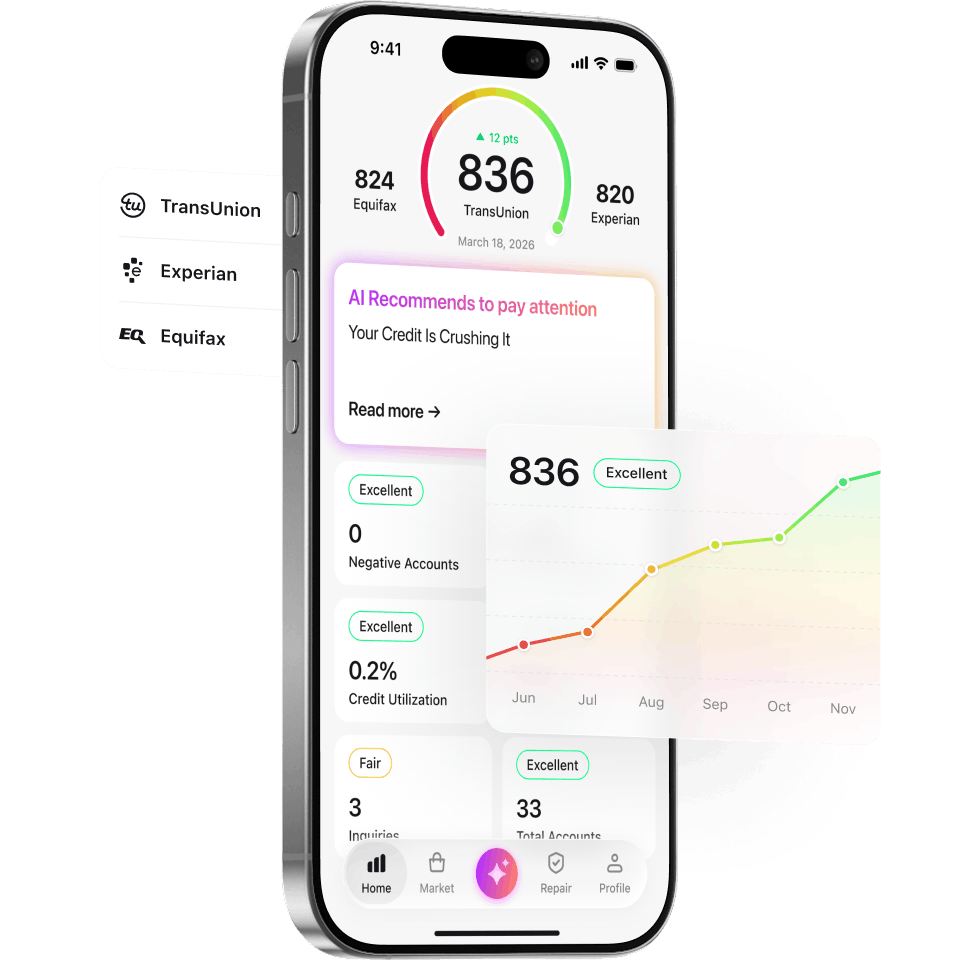
Repeat Quarterly. New errors pop up? Dispute again. Track progress with apps like Credit Booster AI, which scans reports, flags COVID-era glitches, and auto-generates letters.[3]
Took Mike 2 months: Disputed three mortgage lates from 2020 forbearance. Two removed, score from 580 to 672. Boom.
Download Credit Booster AI, free on iOS and Android. It analyzes your report for credit repair after COVID errors and handles the paperwork grind.
Rebuild Strong: Actionable Habits for Lasting Score Gains
Disputes clear the wreckage; now build anew. Post COVID credit recovery hinges on habits, payment history (35%) and utilization (30%) drive 65% of FICO.[3]
-
Pay Everything On Time, Every Time. Set autopay. One missed card payment tanks 100+ points. Use calendars or apps for reminders.[3]
-
Slash Utilization Below 30%. Owe $3k on a $10k limit? That’s 30%,ideal max. Pay down aggressively; request limit hikes after 6 on-time months.[3]
-
Layer Positive History. Get a secured card (deposit = limit, like $200 from Discover). Or credit-builder loan: Pay monthly into a savings account, builds history without debt risk. Expect 20-50 point bumps in 3-6 months.[3]
-
Negotiate Backlog. Behind on non-mortgage debt? Call creditors for “pandemic repayment plans”,lower rates, waived fees. Document everything.[6]
Example: After disputing forbearance errors, Lisa added a $300 secured card, paid utilities via Experian Boost (adds payment history), dropped utilization to 18%. Score: 610 to 740 in 9 months.[3]
Timeline? Mild pandemic credit damage (one late): 3-6 months to mid-700s. Heavy (collections): 1-2 years with perfection.[3] Patience pays.
Busting Myths: What COVID Credit Rules Really Mean
Think all forbearances auto-protected scores? Nope, only if current pre-deal and reported right. Pre-existing delinquents got hit.[2][5][6] Forbearance notations? Harmless if current; no score ding.[1][3]
Protections ongoing? Expired. Now standard FCRA rules.[1][2] Can’t explain on reports? Wrong, dispute for hardship notes.[2] Fixed rebuild time? Varies wildly; pros say utilization cuts and disputes speed it 2x.[3]
NCLC called CARES narrow, skipped non-federal loans, needed per-creditor OK.[5] Truth: It saved millions, but errors need your fight.
Prevent Round Two: Smart Moves for Hardship-Proof Credit
Emergency fund first: 3-6 months expenses in savings. No fund? Start with $1k goal.[7] Hardship looming? Contact creditors day one, proactive beats reactive.[6]
Monitor monthly via Credit Karma or Credit Booster AI. It spots COVID forbearance credit misreports early, generates disputes, tracks score climbs. You’re not alone, 4 million+ used forbearances; most recovered.[1]
Build buffers: Diversify income, cut subscriptions. Question: Why wait for crisis when one app keeps you ahead?
Frequently Asked Questions
How long do COVID-related late payments stay on my credit report?
Late payments from the pandemic stick for up to 7 years from the delinquency date under FCRA, but disputes can remove errors faster, like misreported forbearances.[3][4] Consistent on-time payments dilute their impact over time.
Did all forbearances protect my credit score during COVID?
No, only CARES Act-approved ones for federally backed loans, if you were current beforehand. Lenders had to report as current; pre-existing delinquencies weren’t shielded.[1][2][6]
Can I still dispute COVID credit errors in 2026?
Absolutely, FCRA lets you dispute inaccuracies anytime. Bureaus investigate in 30 days; unverified items vanish. Gather forbearance docs for proof.[3][4]
What’s the fastest way to recover credit after pandemic damage?
Dispute errors first (weeks), then nail on-time payments and drop utilization under 30%. Scores rise 50-100 points in 3-6 months for most.[3]
Should I use a credit repair service for COVID issues?
DIY works for simple disputes, but pros like attorneys speed complex cases with leverage. Tools like Credit Booster AI handle analysis and letters affordably.[3][4]
Will forbearance show up on my credit report forever?
No, notations don’t hurt scores if reported current per CARES. They fade after 7 years or get removed via dispute if wrong.[1][3]
Related research: For a deeper analysis of credit recovery timelines, see our research library at JoinCreditClub.com.
Need professional help? CreditBooster.com has been helping clients rebuild their credit since 2009.
Frequently Asked Questions
How long do COVID-related late payments stay on my credit report?
Late payments from the pandemic stick for up to 7 years from the delinquency date under FCRA, but disputes can remove errors faster, like misreported forbearances. Consistent on-time payments dilute their impact over time.
Did all forbearances protect my credit score during COVID?
No, only CARES Act-approved ones for federally backed loans, if you were current beforehand. Lenders had to report as current; pre-existing delinquencies weren't shielded.
Can I still dispute COVID credit errors in 2026?
Absolutely, FCRA lets you dispute inaccuracies anytime. Bureaus investigate in 30 days; unverified items vanish. Gather forbearance docs for proof.
What's the fastest way to recover credit after pandemic damage?
Dispute errors first (weeks), then nail on-time payments and drop utilization under 30%. Scores rise 50-100 points in 3-6 months for most.
Should I use a credit repair service for COVID issues?
DIY works for simple disputes, but pros like attorneys speed complex cases with leverage. Tools like Credit Booster AI handle analysis and letters affordably.
Will forbearance show up on my credit report forever?
No, notations don't hurt scores if reported current per CARES. They fade after 7 years or get removed via dispute if wrong.