Debt Collection Tactics: Arm Yourself with These Rules
Debt collectors must follow strict debt collector rules under the Fair Debt Collection Practices Act (FDCPA). They can’t harass you, lie about your debt, or call at odd hours, but some push boundaries with illegal debt collection tactics like fake threats or endless calls.[1][2][3] Here’s how to spot violations, shut them down fast, and protect your rights starting today.
What Debt Collectors Can Legally Do
Know the line first. Legit collectors have rights too, but they’re limited.
They can contact you about personal debts (think credit cards, medical bills, not business loans).[1][3] You’ll get a validation notice within five days of first contact, detailing the amount owed, creditor’s name, and your right to dispute.[2][5]
Calls are okay between 8 a.m. and 9 p.m. your local time. They can leave voicemails or send letters, emails, or texts, as long as you haven’t said stop.[1][4] If you’re negotiating, they might accept partial payments or settlements, but get it in writing.[7]
Ever wonder why they keep records? It’s mutual. Document your side too. This sets you up to fight back if they cross into collector harassment.[3]
Debt Collection Tactics They Can’t Use, And How to Spot Them
Illegal debt collection thrives on fear. The FDCPA bans it outright.[1][2] Here’s the hit list, with real-world examples.
1. Harassment and Abuse
No repeated calls causing a racket, 28% of 2024 CFPB complaints cited this.[1] Obscene language? Illegal. Threats of violence or arrest for civil debts? No way, you can’t go to jail for unpaid credit card bills.[2][3][7]
Example: A collector calls 15 times a day, yelling “Pay up or else!” That’s collector harassment. Hang up, log it, and report.[1]
2. Calling at Bad Times or Ignoring Boundaries
Before 8 a.m. or after 9 p.m.? Stop. After a cease letter? They can only mail suit notices.[2][3]
Shady move: Midnight texts. CFPB cracked down on AI-driven spam in 2026.[1][4]
3. Lies and Deceptions
Can’t pretend to be lawyers, cops, or inflate amounts, 21% of complaints involve false threats like “fake lawsuits.”[1][7] No public shaming via postcards or telling your boss.[1][3]
Example: “We’re suing tomorrow unless you wire money now.” Classic scam. Real suits come by mail, not phone.[7]
4. Unfair Tricks
Depositing postdated checks early? Banned. Threatening to sell your info? Nope.[5]
States amp this up. North Carolina bans coercion; California caps calls.[6][8]
Your 7-Step Action Plan to Stop Collectors Cold
Don’t wait for the next call. Act now with these debt collection tactics countermeasures.
-
Demand Validation Immediately: First contact? Ask for written proof. They must send it, naming the creditor and amount.[2][5] Dispute in writing within 30 days, collection pauses till verified.[5]
-
Log Every Interaction: Note date, time, caller ID, what they said. Save voicemails. Apps like Credit Booster AI help track this effortlessly.[1][7]
-
Send a Cease Letter: Certified mail: “Stop all contact.” They back off, except for suit notices.[1][3] Template: “Under FDCPA §1692c, cease communication.”
-
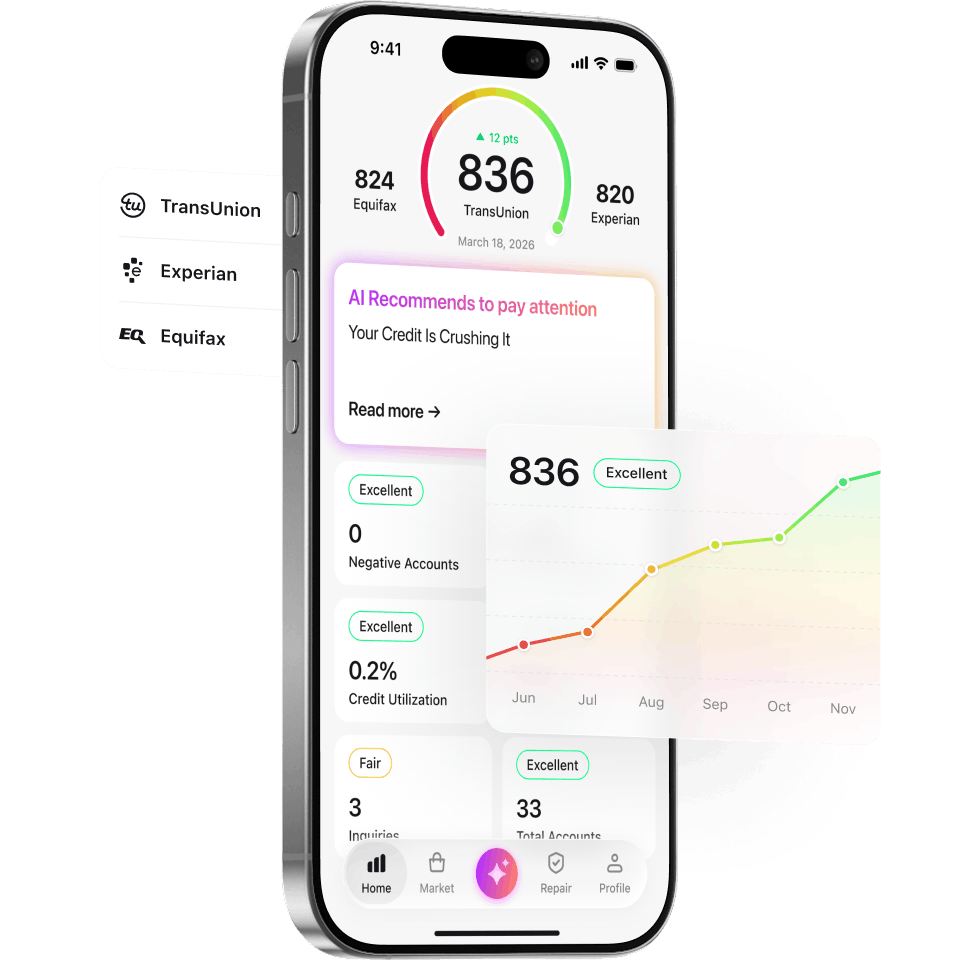
Dispute Errors on Your Credit Report: Free weekly checks at AnnualCreditReport.com. 40% of removed items are collection flubs.[1][7] Credit Booster AI scans reports, spots illegal debt collection entries, and generates dispute letters, try it free.
Download Credit Booster AI, free on iOS and Android.
-
Negotiate Smart: Offer lump sums (e.g., 40-60% off). Insist on “paid in full” letter. Avoid partial payments on old “zombie debts”,it might restart statutes in some states.[6][7]
-
Block and Report: Use phone blocks. File complaints: CFPB (70k+ in 2024), FTC, state AG.[1][2][7] One-year window for lawsuits, win up to $1,000 plus fees.[3]
-
If Sued, Respond Fast: 20-30 days typical. Get free aid from Legal Aid or NCLC resources. Don’t ignore, default judgments suck.[3][6]
Follow this, and you’ll slash stress. Real number: FTC says 1 in 5 face illegal tactics; knowledge flips the script.[7]
Recent Updates: 2025-2026 Changes You Need to Know
FDCPA holds steady since 1978, but enforcement’s heating up.[1][2] CFPB’s 2021 rule (active through 2026) mandates clear disclosures on time-barred debts, no sneaky lawsuits on old stuff.[1]
TCPA-FDCPA mashups exploded in 2025: Robocalls and texts? Heavily fined.[4] Q1 2026 saw CFPB sue AI harassers.[1]
States lead: NCLC’s March 2025 Model Medical Debt Protection Act pushes bans on aggressive medical collections.[6] Uniform 3-year debt limits curb zombie revivals.[6] Wage caps tighter in spots, federal max 25% disposable earnings, lower elsewhere.[6]
Check your state: New York licenses collectors; others don’t. Stronger rules apply.[6]
Common Myths Busted: Don’t Fall for These
| Myth | Truth |
|---|---|
| Original creditors follow FDCPA. | Nope, third-parties only. Banks use state UDAP laws.[1][3] |
| Verbal disputes work. | Written only, within 30 days.[5] |
| Arrest threats are real. | Illegal bluff, no debtor’s prison.[3][7] |
| States can’t top FDCPA. | They do, often stricter.[5][6] |
| All debts collectible forever. | Time-barred? No suits, and some states ban collection.[6][7] |
Negotiating and Settling Debts Without Getting Burned
Want to pay less? Here’s how.
Step 1: Verify debt’s legit and not time-barred (3-6 years most places).[6]
Step 2: Get offers in writing. Example: $5k debt settles for $2.5k? Demand deletion from credit reports.
Step 3: Pay via check or app, traceable. Post-pay, confirm “zero balance” in writing.
Pro tip: Post-pandemic digital shift means more emails/texts. Opt out easy to dodge suits.[1][4]
If medical debt, new model acts offer relief, financial aid tweaks, collection bans.[6]
When to Sue or Get Help: Your Legal Power Moves
Violations? You’re armed. Sue for actual damages (stress, lost wages), $1,000 statutory max, attorney fees.[2][3] Class actions hit big, collectors settle fast.
Report first: Builds your case. CFPB/FTC data fueled 2025 crackdowns.[1][4]
Free help: NCLC model laws guide state AGs; Legal Aid for low-income.[6]
Credit Booster AI fits here, AI analyzes violations, drafts disputes, tracks scores. Users see boosts after removals.[7]
State vs. Federal: Where Protections Vary
FDCPA’s floor, not ceiling. States like CA/NY add licensing, call limits.[6] NC bans profanity.[8][9]
NCLC charts 50-state rules: Garnishment caps, judgment reviews.[6][10] Your state might ban debt buyer tricks.
Quick check: Search “[your state] debt collection laws.” Knowledge wins.
(Word count: 1523)
Frequently Asked Questions
What should I do if a debt collector calls before 8 a.m.?
Hang up and log the details, date, time, number. It’s illegal under FDCPA. Send a cease letter and report to CFPB.[1][2][3]
Can debt collectors contact my employer or family?
No, except to find your location or with permission. Revealing debt is banned, file a complaint if they do.[1][3]
How do I dispute a debt collection on my credit report?
Get free reports weekly, dispute in writing with proof. Collectors must verify or remove. Tools like Credit Booster AI automate this.[1][5][7]
Is it legal for collectors to threaten jail?
Absolutely not, civil debts don’t lead to arrest. It’s a top illegal tactic; sue within one year.[3][7]
What happens if I send a cease communication letter?
They stop calling, except for lawsuit notices or essential info. Send certified mail for proof.[1][3]
Are there stronger protections for medical debt in 2026?
Yes, NCLC’s 2025 model act pushes state bans on aggressive tactics and better aid. Check your state’s rules.[6]
Related research: For a deeper analysis of understanding different types of collections, see our research library at JoinCreditClub.com.
Need professional help? CreditBooster.com has been helping clients rebuild their credit since 2009.
Frequently Asked Questions
What should I do if a debt collector calls before 8 a.m.?
Hang up and log the details, date, time, number. It's illegal under FDCPA. Send a cease letter and report to CFPB.
Can debt collectors contact my employer or family?
No, except to find your location or with permission. Revealing debt is banned, file a complaint if they do.
How do I dispute a debt collection on my credit report?
Get free reports weekly, dispute in writing with proof. Collectors must verify or remove. Tools like Credit Booster AI automate this.
Is it legal for collectors to threaten jail?
Absolutely not, civil debts don't lead to arrest. It's a top illegal tactic; sue within one year.
What happens if I send a cease communication letter?
They stop calling, except for lawsuit notices or essential info. Send certified mail for proof.
Are there stronger protections for medical debt in 2026?
Yes, NCLC's 2025 model act pushes state bans on aggressive tactics and better aid. Check your state's rules.