Is Buying Tradelines Legal in 2026: The Free Version Is Fine, the Bought One Is Risky
Being added as an authorized user by someone you actually know is legal, free, and safe. Paying a broker to rent a stranger’s tradeline is a different thing, and it is where the risk starts. That is the honest split, and it decides everything.
Here is the shape of it. A real authorized-user add, a parent putting you on an old, low-balance card, can genuinely help your file and breaks no rule. A purchased tradeline, a stranger paying to sit on your account or you paying to sit on theirs, exists only to move a number, it violates the card issuer’s agreement, and if you use the inflated score to deceive a lender, it can cross into fraud. Same-looking report, very different exposure.
So the question is not really “is it legal.” It is “which version, and to fool whom.”
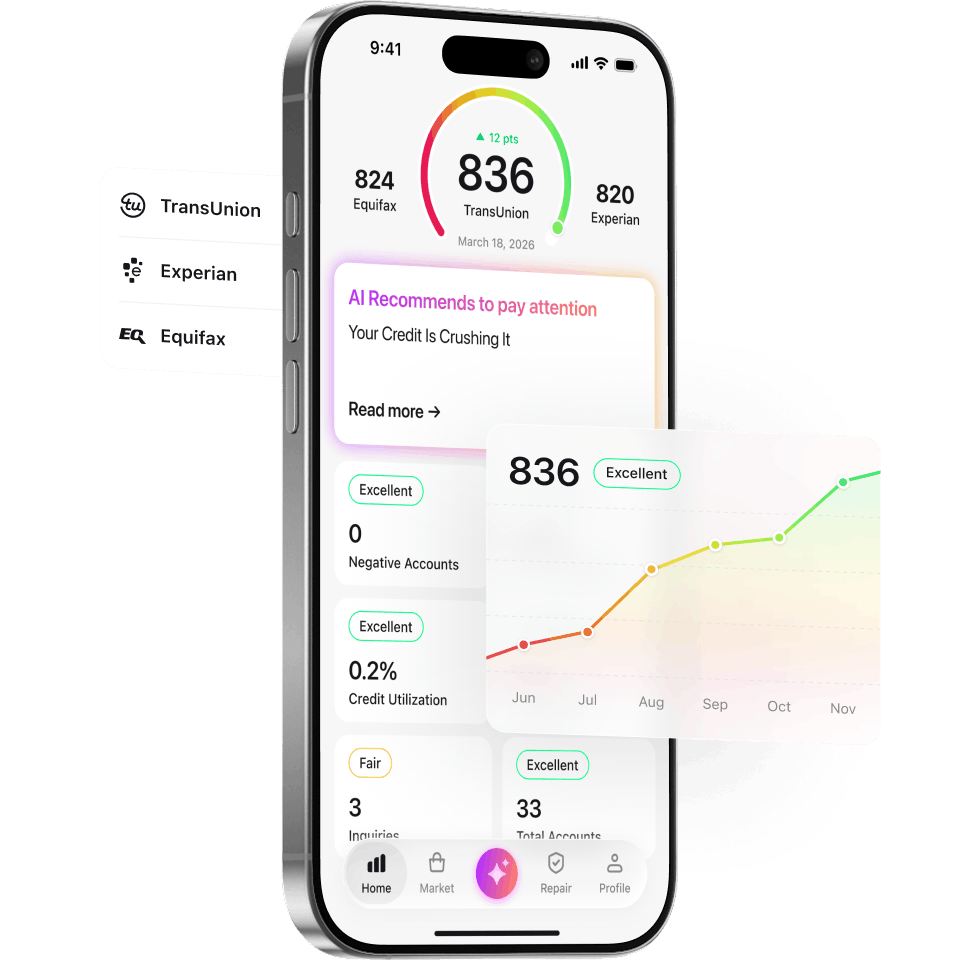
Want to see whether an authorized-user account is even helping your file, or just sitting there? Download Credit Booster AI, free on iOS and Android, and read all three reports in one place.
Where the Line Is
The difference between a helpful piggyback and a risky purchase is the relationship and the intent, not the paperwork.
An authorized-user add from someone who knows you is normal, expected, and the exact thing scoring models were built to reflect. A bought tradeline is a transaction with a stranger, arranged by a broker, whose only purpose is to make your credit look like something it is not. Card issuer agreements prohibit selling authorized-user slots, so the account holder risks having the card closed. And if the boosted score is used to get a loan you would not otherwise qualify for, that misrepresentation can be treated as bank fraud.
The concession worth stating plainly: a real AU tradeline is one of the best legitimate tools there is, and this page is not warning you off that. It is warning you off paying a stranger, which is the version that carries the trouble.
The Bureaus Are Catching Purchased Tradelines
The old bet behind buying tradelines was that lenders could not tell. That bet is getting worse every year.
Underwriters already discount authorized-user accounts that do not match the rest of a file, and bureau screening keeps tightening around manufactured credit profiles: in January 2026, Equifax launched its Credit Abuse Risk model targeting first-party fraud, working alongside its synthetic identity detection tools. So a rented tradeline can be discounted to nothing and treated as a warning sign on your application. You can pay real money for a boost that the one lender you care about simply ignores, or worse, holds against you.
The Safe Version Is Cheaper Anyway
The frustrating part for the broker is that the legitimate path costs almost nothing.
Ask a trusted family member to add you as an authorized user for free. Open a secured card. Take a credit-builder loan. Each of those reports real, durable payment history in your own name, cannot be pulled away by a stranger, and never raises a fraud flag on a mortgage. They are slower than a purchased 30-day boost, and they are the version that still helps you a year from now.
What This Means For Your File
The real work is your own history and your own errors, not a rented account. A free AU add plus clean personal credit beats any purchased tradeline, and it holds up under a lender’s scrutiny.
Credit Booster AI reads all three bureau reports, shows whether an authorized-user account is actually helping, and flags the items that are genuinely inaccurate so you can challenge the wrong ones and build real history in your name. Clearing genuine errors typically moves a score 30 to 60 points, over one to a few months, when there is a real error to clear.


Plans start at $9.99 a month with a 7-day free trial. It will not sell you a tradeline, because the safe version is free and the paid version is the risk.
The Verdict
Is buying tradelines legal in 2026? The free version, a real authorized-user add from someone you know, is legal and genuinely useful. The paid version, renting a stranger’s account through a broker, is a gray area that violates issuer terms, is increasingly detected, and can become fraud if used to mislead a lender. The report looks the same; the exposure does not.
Two things to remember. One, get added by family for free instead of paying a broker. Two, a purchased boost is temporary and now flaggable, so the money often buys nothing that lasts.
For the legitimate version, see authorized user tradelines. For the outright fraud to avoid, see primary tradelines.
Frequently Asked Questions
Is buying tradelines illegal?
It is a legal gray area, not a clear-cut crime by itself, but it carries real risk. Being added as an authorized user by a family member or friend is entirely legal and free. Paying a broker to add you to a stranger’s account for a credit boost is different: it violates card issuer agreements, and if you use the inflated score to deceive a lender on an application, that can cross into bank fraud. So the method and the intent decide how much trouble it is.
What is the difference between an authorized user and a bought tradeline?
The relationship. A genuine authorized user is someone the account holder actually knows and adds, often a family member, and the history can legitimately help. A bought or rented tradeline is a stranger paying to be added to your account, or you paying to be added to theirs, purely to move a score. The credit report looks similar, but the second one is a transaction designed to mislead lenders, which is where the risk lives.
Can lenders tell if you bought a tradeline?
More and more, yes. Underwriters have long discounted authorized-user accounts that do not fit the rest of a file, and bureau fraud screening tightened again in January 2026 when Equifax launched its Credit Abuse Risk model alongside its synthetic identity detection tools. So a rented tradeline can be spotted, discounted to zero, and treated as a red flag, which means you may have paid for a boost that a real lender ignores.
Do bought tradelines actually help your credit?
Often less than promised, and less reliably every year. The account holder can remove you at any time, the boost is temporary, and scoring models and lenders increasingly discount authorized-user history that looks purchased. Meanwhile your own negatives are untouched. So you can spend real money on a lift that fades, gets ignored by the lender who matters, or draws suspicion to your application.
What is a safe alternative to buying tradelines?
Build your own history. Ask a trusted family member to add you as an authorized user for free, open a secured card, or use a credit-builder loan, all of which report real, durable payment history in your name. Those cost little or nothing, they cannot be yanked away by a stranger, and they do not raise a fraud flag on a mortgage application. They are slower and far safer.
Related reading: See the primary tradelines warning, the credit sweep scam explained, and the safe, legitimate authorized-user tradelines. For the wider picture, read about credit repair scams or start from the full explainer, tradelines for your credit score.
Sources
Every claim on this page traces to one of these, checked on July 20, 2026.
By the numbers
Cost to be added as an AU by someone you know
$0
The legal version of piggybacking is free, and it is the one that actually helps safely.
Experian, Does Being an Authorized User Help Your Credit, July 20, 2026
Equifax layered new anti-fraud screening
Jan 2026
Its Credit Abuse Risk model targets first-party fraud, working alongside its synthetic identity detection tools.
Equifax, Credit Abuse Risk Model press release, July 20, 2026
Selling authorized-user slots
Against terms
Card issuer agreements prohibit renting out tradelines to strangers, so the account can be closed.
CFPB, credit repair and building guidance, July 20, 2026
Source: Experian, Does Being an Authorized User Help Your Credit. Pulled July 20, 2026.
Loving This Info? You'll Love Our App.
Everything you just read, plus AI-powered tools to understand and master your credit. 7 day free trial.
Get the AppFrequently Asked Questions
Is buying tradelines illegal?
It is a legal gray area, not a clear-cut crime by itself, but it carries real risk. Being added as an authorized user by a family member or friend is entirely legal and free. Paying a broker to add you to a stranger's account for a credit boost is different: it violates card issuer agreements, and if you use the inflated score to deceive a lender on an application, that can cross into bank fraud. So the method and the intent decide how much trouble it is.
What is the difference between an authorized user and a bought tradeline?
The relationship. A genuine authorized user is someone the account holder actually knows and adds, often a family member, and the history can legitimately help. A bought or rented tradeline is a stranger paying to be added to your account, or you paying to be added to theirs, purely to move a score. The credit report looks similar, but the second one is a transaction designed to mislead lenders, which is where the risk lives.
Can lenders tell if you bought a tradeline?
More and more, yes. Underwriters have long discounted authorized-user accounts that do not fit the rest of a file, and bureau fraud screening tightened again in January 2026 when Equifax launched its Credit Abuse Risk model alongside its synthetic identity detection tools. So a rented tradeline can be spotted, discounted to zero, and treated as a red flag, which means you may have paid for a boost that a real lender ignores.
Do bought tradelines actually help your credit?
Often less than promised, and less reliably every year. The account holder can remove you at any time, the boost is temporary, and scoring models and lenders increasingly discount authorized-user history that looks purchased. Meanwhile your own negatives are untouched. So you can spend real money on a lift that fades, gets ignored by the lender who matters, or draws suspicion to your application.
What is a safe alternative to buying tradelines?
Build your own history. Ask a trusted family member to add you as an authorized user for free, open a secured card, or use a credit-builder loan, all of which report real, durable payment history in your name. Those cost little or nothing, they cannot be yanked away by a stranger, and they do not raise a fraud flag on a mortgage application. They are slower and far safer.