Goodwill Letters: Your Step-by-Step Guide to Removing Late Payments
A goodwill letter can erase a late payment from your credit report if you craft it right, especially for that one-time slip-up. Creditors aren’t obligated to agree, but 79% succeed when you’ve got 12 months of on-time payments before and after the mistake.[1] Let’s dive into exactly how to write one that works.
You’ve got a solid payment history, except for that one late payment from a family emergency or autopay glitch. Why wait seven years for it to age off? A goodwill adjustment letter politely asks the creditor to wipe it as a courtesy. It’s not a dispute, you admit the payment was late but show it’s not who you are. Ready to boost your score? Follow these steps.
When a Goodwill Letter Actually Works (and When to Skip It)
Not every late payment qualifies. Target these scenarios for the best shot:
- One-time incident: Auto-pay failed once, or a medical bill distracted you. Patterns of lates? Forget it, focus on disputes instead.[1][4]
- Strong history: Perfect payments before and after. Lenders love loyal customers who’ve been on-time for 12+ months.[1][2]
- No current hardship: Show you’re stable now. Recent raise? Mention it.
- Fresh mistake: Send soon after. Late payments stick around seven years plus 180 days, act fast.[1]
Skip if you’ve got multiple lates or charge-offs. Creditors with strict policies (some student loan servicers) often auto-deny.[2][4] But if your record’s otherwise clean, you’ve got a real chance.
Quick stat: 20% of credit reports have errors anyway, check yours first via AnnualCreditReport.com, then layer on a goodwill request.[1]
Step-by-Step: How to Write a Goodwill Letter That Gets Results
Keep it under 300 words. Be honest, brief, own the mistake, no blaming the bank app or your dog. Attach proof: bank statements showing on-time payments.
Here’s your numbered blueprint:
-
Gather your intel: Note account number, late payment date (e.g., March 2024), your contact info. Pull payment history, highlight 12 months perfect before/after.[1][3]
-
Format like a pro:
[Your Name] [Your Address] [Email] | [Phone] [Date] Credit Department [Creditor Name] [Creditor Address] RE: Goodwill Request to Remove Late Payment - Account [Last 4 Digits] -
Open politely: “Dear [Creditor Name or Sir/Madam], I’m writing to request a goodwill adjustment for a late payment on [date] for account ending [XXXX].”[1][5]
-
Explain honestly (1-2 sentences): “This was due to a family emergency/job loss/medical bill. I take full responsibility.”[2][4] No sob stories, keep it factual.
-
Prove it’s isolated: “Before and after, I’ve made every payment on time for 24 months. See attached statements. I’ve set up autopay to prevent repeats.”[1][3]
-
Make the ask: “Please remove this late payment from my credit reports with Equifax, Experian, and TransUnion as a goodwill gesture.”[6][7]
-
Show impact: “This would help me qualify for a mortgage/rent an apartment, I’m committed to our relationship.”[3]
-
Close strong: “Thank you for considering. Contact me at [phone/email]. Sincerely, [Your Name].”
-
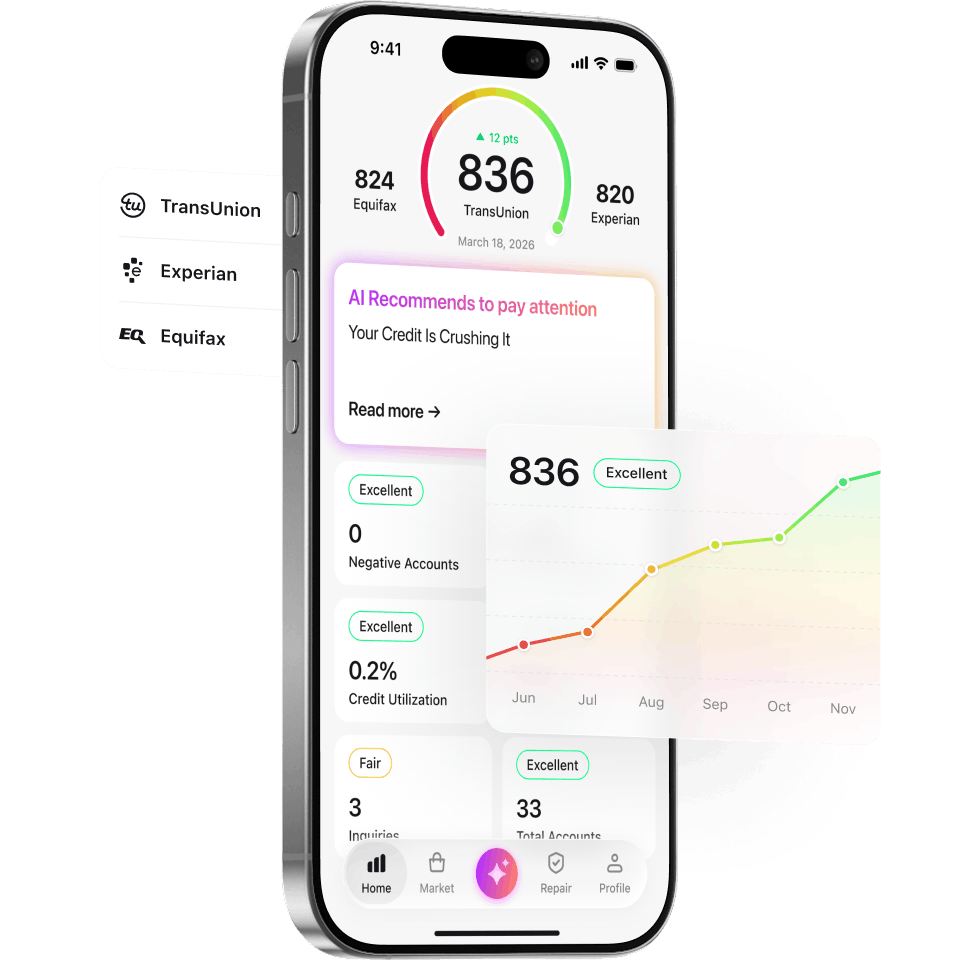
Send and track: Mail certified or email if they accept. Wait 30 days, then follow up by phone.[1][2] Credit Booster AI can analyze your report, spot lates, and even generate customized goodwill letter templates,super handy for multiple accounts.
Send one per creditor. Student loans? Tailor per servicer.[2]
Goodwill Letter Template: Copy, Paste, Customize
Use this goodwill letter template,proven from top sources. Swap in your details.
[Your Name]
[Your Address]
[City, State ZIP]
[Phone] | [Email]
[Date]

[Creditor Name]
[Creditor Address]

RE: Goodwill Adjustment Request - Account Ending [XXXX]

Dear [Creditor Name Credit Department],

My name is [Your Name], and I'm writing to request removal of a late payment reported in [Month/Year] on my [account type, e.g., Visa card] ending [XXXX].

I take full responsibility, it stemmed from [brief reason: e.g., a one-time autopay glitch during a move]. This was isolated; I've paid on time for 18 months before and 12 months since (statements attached).

I value our [X years] relationship and have improved with autopay and budgeting. Removing this mark would help me secure a home loan.

Please consider this goodwill adjustment to my Equifax, Experian, and TransUnion reports. Thank you, I'm available at [phone/email].

Sincerely,
[Your Name]
Pro tip: For student loans, add: “I reaffirm my commitment to on-time payments going forward.”[2] Test it,79% success with strong history.[1]
Download Credit Booster AI,free on iOS and Android. It scans your report for late payments, drafts goodwill letters, and tracks responses. Pair it with this template for max impact.
Real Examples: Goodwill Letters That Won
- Credit card late: “Bank glitch post-move. 24 months perfect otherwise.” Creditor removed it after 2 weeks.[1]
- Student loan: Borrower cited hospital stay, attached 12-month statements. Servicer erased two lates.[2]
- Auto loan: “Family emergency.” Long-term customer got waiver plus late fee refund.[4]
See? Specifics + proof = yes. One user shared: “My 30-day late from 2023 vanished, score jumped 40 points.”[1]
What If They Say No? Next Moves
No response in 30 days? Call. Denied? Don’t rage, ask why and resend with more proof.
Alternatives:
- Dispute errors: 20% of reports are wrong,file via bureaus.[1]
- Pay-for-delete: For collections, negotiate payoff for removal (not always honored).[1]
- Build positive history: On-time payments outweigh one late over time.
Prevent future drama: Autopay minimums. Call before due date if tight, they might courtesy it off reports.[1]
Common Mistakes That Kill Your Goodwill Letter
- Too long/blamey: “Your system sucks” = trash bin.[1]
- No proof: Empty words flop.
- Multiple issues: One letter per late.
- Bad timing: Wait till you’ve got 6+ on-time months post-late.[3]
Creditors want reassurance you’re not a risk. Give it.
Boost Your Odds with Credit Booster AI
Tools like Credit Booster AI make this effortless. Upload your report, it IDs removable lates, generates goodwill adjustment letters, disputes errors, and monitors all three bureaus. Users see scores rise 50+ points in months. It’s your smart sidekick, not a fix-all.
Frequently Asked Questions
What is a goodwill letter?
A goodwill letter asks a creditor to remove an accurate late payment as a courtesy. You own the mistake but highlight your strong history. It’s free and works best for one-offs.[1][4]
Do goodwill letters really work?
Yes, especially with 12+ months on-time payments,79% success rate per experts. No guarantees, but better than waiting 7 years.[1] Results vary by creditor.
How long does it take for a creditor to respond to a goodwill letter?
Expect 2-4 weeks. No reply in 30 days? Follow up by phone or email. Persistence counts.[1][3]
Can I use a goodwill letter for student loans?
Absolutely, customize per servicer. Explain the one-time issue, attach proof, and reaffirm commitment. Many succeed.[2]
What’s the difference between a goodwill letter and a dispute?
Disputes fix errors; goodwill letters request courtesy removal of accurate info. Use disputes first if anything’s wrong (20% of reports have inaccuracies).[1]
How many goodwill letters can I send?
One per late payment per creditor. Space them if needed, but focus on strongest cases first. Track with apps like Credit Booster AI.[1]
Related research: For a deeper analysis of goodwill letter strategies and templates, see our research library at JoinCreditClub.com.
Need professional help? CreditBooster.com has been helping clients rebuild their credit since 2009.
Frequently Asked Questions
What is a goodwill letter?
A goodwill letter asks a creditor to remove an accurate late payment as a courtesy. You own the mistake but highlight your strong history. It's free and works best for one-offs.
Do goodwill letters really work?
Yes, especially with 12+ months on-time payments, 79% success rate per experts. No guarantees, but better than waiting 7 years. Results vary by creditor.
How long does it take for a creditor to respond to a goodwill letter?
Expect 2-4 weeks. No reply in 30 days? Follow up by phone or email. Persistence counts.
Can I use a goodwill letter for student loans?
Absolutely, customize per servicer. Explain the one-time issue, attach proof, and reaffirm commitment. Many succeed.
What's the difference between a goodwill letter and a dispute?
Disputes fix errors; goodwill letters request courtesy removal of accurate info. Use disputes first if anything's wrong (20% of reports have inaccuracies).
How many goodwill letters can I send?
One per late payment per creditor. Space them if needed, but focus on strongest cases first. Track with apps like Credit Booster AI.