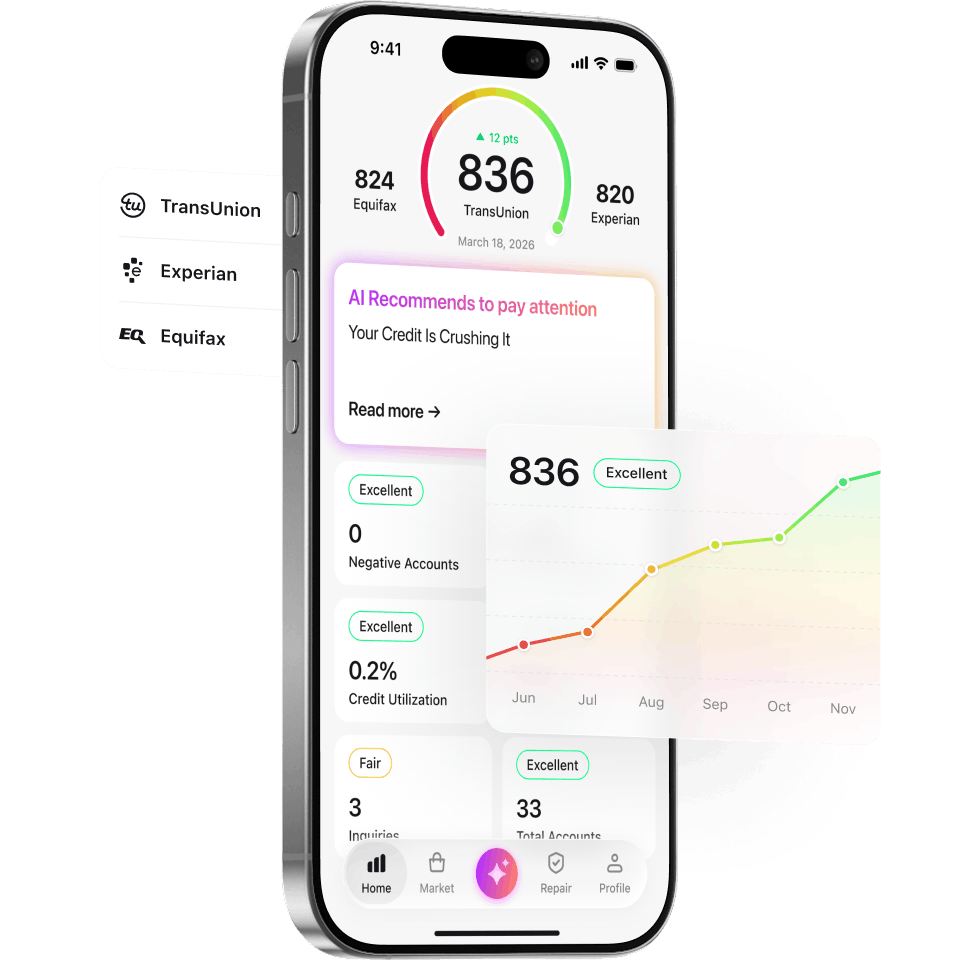
Why Credit Monitoring Matters in Your Credit Monitoring Guide
Ever checked your credit report lately and spotted something off, like a loan you never took out? That’s where credit monitoring steps in as your first line of defense. This complete credit monitoring guide breaks down how to track your credit, layer on identity theft protection, compare credit freeze vs lock, and safeguard your credit score from thieves who strike without warning. Identity theft hits millions of Americans yearly, often going unnoticed until bank accounts drain or scores tank.[1] Don’t wait for disaster, start with free tools and build from there.
Understanding Credit Monitoring vs. Identity Theft Protection
People mix these up all the time. Credit monitoring watches your credit reports and scores for changes like new accounts or inquiries. Identity theft protection goes wider, scanning the dark web, public records, SSN use, and bank accounts.[1][6] Think of credit monitoring as guarding your financial front door; identity protection patrols the whole neighborhood.
Key Differences at a Glance
Credit monitoring alerts you to credit-specific red flags: abrupt score drops, unfamiliar inquiries, or surprise debts.[1][3] It pulls from Equifax, Experian, and TransUnion, premium plans hit all three.[1][7] But it misses non-credit fraud, like someone raiding your existing bank account or medical ID theft.[6]
Identity theft protection layers on PII scans: dark web leaks, payday loan apps, address changes, criminal records, even sex offender lists.[1][4] Services like Experian add $1 million insurance for recovery costs.[5] Why the distinction? Victims often find theft after credit damage, early alerts let you act fast.[3]
| Monitoring Type | Focus Areas | Best For |
|---|---|---|
| Credit Monitoring | Credit reports, scores, inquiries, new accounts[1][6] | Protecting credit score from new fraud |
| Identity Theft Protection | Dark web, SSN, banks, public records, online accounts[1][4][6] | Broader theft detection, including existing accounts |
NerdWallet experts say combine both: monitor credit for free, add identity scans if high-risk.[3] Acronis calls credit monitoring a “guardian angel” for spotting fakes early.[4]
How to Monitor Your Credit for Free (And Why You Should)
You don’t need to pay $15+ monthly right away. Grab free weekly reports from AnnualCreditReport.com, your legal right under FCRA.[2][5] These show debts, late payments, inquiries, and basics like SSN and address.[2]
Step-by-Step Free Credit Monitoring Routine
- Pull reports weekly: Check Equifax, Experian, TransUnion for unknowns. Spot a mystery credit card? Red flag.[2][3]
- Track your score: Free via Experian or NerdWallet. A 50-point drop screams trouble.[3][5]
- Scan statements monthly: Banks, cards, bills, unfamiliar charges? Lock it down.[1]
- Set alerts: Enable bank notifications for transactions over $1.[2]
Do this, and you’ll catch 80% of issues before they snowball. Free reports aren’t real-time, though, no daily pings like paid services.[2][5] Pro tip: Review due dates so bills don’t sneak up as “late payments” hurting your score.
Ready to automate? Download Credit Booster AI,free on iOS and Android. It analyzes reports, spots errors, and generates disputes to protect your credit score effortlessly.
Credit Freeze vs Lock vs Fraud Alert: Which Wins for Protection?
Here’s where opinions clash, and facts clear it up. Not all blocks are equal. A credit freeze slams the door on your report: no one sees it without your PIN. Free at all three bureaus, permanent till you thaw.[3][5]
Credit lock? Similar, but often app-based through services, quicker toggles, possible fees.[3] Fraud alert just flags verification; access continues.[5][6]
| Feature | Credit Freeze | Credit Lock | Fraud Alert |
|---|---|---|---|
| Access Restriction | Blocks all (free, permanent till lifted)[3][5] | App-toggle (fees possible) | Prompts verification (allows access)[5][6] |
| Convenience | Manual thaw for apps[5] | Instant via app | No lift needed |
| Who Places It | You at bureaus | Often services | You, free 1-year |
| Protection Level | Highest vs new accounts | High | Moderate |
Freeze if paranoid about new fraud, it’s free and ironclad.[3] Unlock for legit loans (takes minutes online). Alerts suit low-risk folks. Services can’t freeze for you; do it yourself.[3][5] Security.org: Freezes stop damage before it hits.[1]
Top Identity Theft Protection Services in 2026
2026 brings AI scam alerts and family plans as scammers get slicker with romance fraud.[5] Look for three-bureau monitoring, dark web scans, SSN tracking.
Standouts and What They Offer
- Experian: Free score tracking, $1M insurance, dark web scans. Baseline protection rocks.[5]
- Equifax Complete Family: $29.95/month, monitors household credit across bureaus.[7]
- IdentityForce: SSN, public records, credit alerts. Comprehensive without fluff.[4]
- LifeLock Total: Social media, banks, dark web, top-tier recovery.[3]
Prices? $5,$25/month. Family plans save cash. Experts like NerdWallet: Prioritize alerts over bells.[3] Credit Booster AI complements these, use it to dispute errors while services watch.[1][5]
Busting Myths: Common Mistakes in Credit and Identity Protection
Myth 1: Credit monitoring = full protection. Nope, misses existing account hacks or medical theft.[1][6] Broaden to identity services.
Myth 2: Services freeze credit. False, you must.[3][5]
Myth 3: All theft hits reports. Wrong, tax or benefit fraud? Invisible there.[6]
Myth 4: Annual reports enough. Static snapshots; no alerts for fast fraud.[2][5]
Myth 5: Alerts match freezes. Alerts verify; freezes block.[5] Consumer Federation: Self-check accounts too, services skip those.
Armed with truth, you’ll dodge pitfalls 90% of victims fall into.
Everyday Habits to Protect Your Credit Score and Identity
Small changes yield big shields. Shred PII docs, thieves dumpster-dive.[1] Unique passwords per site; no public Wi-Fi banking.[5]
Daily and Weekly Wins
- Enable all transaction alerts.[2]
- Update on scams: AI voices, romance cons rising in 2026.[5]
- Vary PINs; don’t carry SSN card.[8]
Shred, alert, freeze. That’s your fortress.
What to Do If Identity Theft Hits: Step-by-Step Recovery
Panic later. Act now.
- Lock accounts: Call banks/cards immediately.[1][5]
- Pull reports: Dispute fakes on all three.[5]
- Fraud alert: Free 1-year via one bureau, all follow.[5][6]
- Freeze credit: Block new fraud.[3][5]
- Report FTC: IdentityTheft.gov for affidavit, plan.[1][3]
- Police report: For big losses.[1]
Recovery’s a grind, insurance from services like Experian covers up to $1M out-of-pocket.[5] FCRA mandates free disputes; bureaus investigate fast.[5] Caught early? Minimal score hit.
Legal Rights: FCRA Powers You Don’t Know You Have
Fair Credit Reporting Act is your superpower. Free weekly reports forever (COVID gift).[2][5] Free freezes/alerts, no fees ever.[3][5] Extended 7-year alerts for confirmed victims.[5][6] Bureaus fix errors free. Use IdentityTheft.gov for official recovery.[3]
Services add convenience, not rights. Know this, and you’re unstoppable.
Building a Long-Term Credit Protection Strategy
Layer it: Free monitoring weekly. Freeze if vulnerable (job loss, divorce). Add paid identity protection for scans. Track score monthly, aim for 700+.
High-risk? Families love Equifax plans.[7] Everyone: Use apps like Credit Booster AI to automate disputes and protect credit score. It’s not a cure-all, but pairs perfectly with freezes and alerts.
Rhetorical nudge: Why risk a 100-point score plunge when freezes are free? Start today.
(Word count: ~3020)
Frequently Asked Questions
What’s the difference between credit monitoring and identity theft protection?
Credit monitoring tracks reports, scores, and new accounts from bureaus like Equifax.[1][6] Identity theft protection scans broader: dark web, SSN, banks, public records.[1][4] Use both for full coverage, credit misses existing fraud.[6]
How do I place a free credit freeze?
Go to Equifax, Experian, TransUnion sites. Verify ID, set PIN. Instant block, no fees.[3][5] Thaw temporarily for loans. Services can’t do it for you.
Is a credit freeze better than a credit lock?
Freeze is free, consumer-direct, highest block.[3][5] Lock’s app-quick but may fee via services. Both beat alerts for new account fraud.
Can I get free credit monitoring?
Yes, weekly reports at AnnualCreditReport.com, free scores from Experian/NerdWallet.[2][3][5] No real-time alerts, so pair with statements review.
What if I suspect identity theft,first steps?
Lock accounts, place fraud alert/free freeze, report to IdentityTheft.gov.[1][3][5] Dispute reports; file police if needed. Act in hours, not days.
Do identity protection services restore my credit score?
They alert and insure recovery, but you dispute errors (free via FCRA).[5] Tools like Credit Booster AI speed disputes. No service fixes alone.
Related research: For a deeper analysis of comprehensive credit monitoring strategies, see our research library at JoinCreditClub.com.
Need professional help? CreditBooster.com has been helping clients rebuild their credit since 2009.
Frequently Asked Questions
What's the difference between credit monitoring and identity theft protection?
Credit monitoring tracks reports, scores, and new accounts from bureaus like Equifax. Identity theft protection scans broader: dark web, SSN, banks, public records. Use both for full coverage, credit misses existing fraud.
How do I place a free credit freeze?
Go to Equifax, Experian, TransUnion sites. Verify ID, set PIN. Instant block, no fees. Thaw temporarily for loans. Services can't do it for you.
Is a credit freeze better than a credit lock?
Freeze is free, consumer-direct, highest block. Lock's app-quick but may fee via services. Both beat alerts for new account fraud.
Can I get free credit monitoring?
Yes, weekly reports at AnnualCreditReport.com, free scores from Experian/NerdWallet. No real-time alerts, so pair with statements review.
What if I suspect identity theft, first steps?
Lock accounts, place fraud alert/free freeze, report to IdentityTheft.gov. Dispute reports; file police if needed. Act in hours, not days.
Do identity protection services restore my credit score?
They alert and insure recovery, but you dispute errors (free via FCRA). Tools like Credit Booster AI speed disputes. No service fixes alone.