Ready to Tackle Charge-Off Removal?
Start by pulling your free credit reports from AnnualCreditReport.com today. Spot any errors? Dispute them immediately with the credit bureaus, it’s your fastest path to charge off removal. Even accurate ones might vanish through smart negotiation. You’ll slash that 100-150 point FICO hit and rebuild fast[1][4].
Charge-offs sting. But they’re not permanent. Follow these steps, and you’ll either wipe them out or minimize the damage. Let’s dive in.
What Is a Charge-Off on Your Credit Report?
Picture this: You miss payments for about 180 days. Your creditor gives up, writes the debt off as a loss, and closes the account. That’s a charge off,not forgiven debt, just an accounting move. They still want their money, often selling it to collectors[1][4][8].
It sticks on your reports for seven years from the date of first delinquency (DOFD),the first missed payment, not the charge-off date. Miss that detail, and you’re counting wrong[1][4]. In 2024, credit card charge-off rates hit 4.5%, the highest since 2010, hammering around 10 million folks[1].
Paid charge-offs? They update to “paid,” but the black mark lingers, dragging scores down until it ages off[4][6]. Brutal, right?
Charge-Off vs. Collection: Key Differences
Confused between a charge off and a collection? Here’s the breakdown in a table:
| Aspect | Charge-Off | Collection |
|---|---|---|
| Definition | Original creditor writes off as loss after ~180 days delinquency[1][8] | Debt sold/assigned to third-party agency[1][2] |
| Reporting Timeline | 7 years from DOFD[1][4] | 7 years from DOFD (7.5 for medical)[1] |
| Score Impact | 100-150 point drop[1] | Similar, worsens if both appear[2] |
| Who Handles | Original creditor initially[4] | Collection agency (FDCPA applies)[3] |
Charge-offs signal “high risk” from the source. Collections pile on if the debt gets resold, double whammy[1][2]. Know the difference to target the right player.
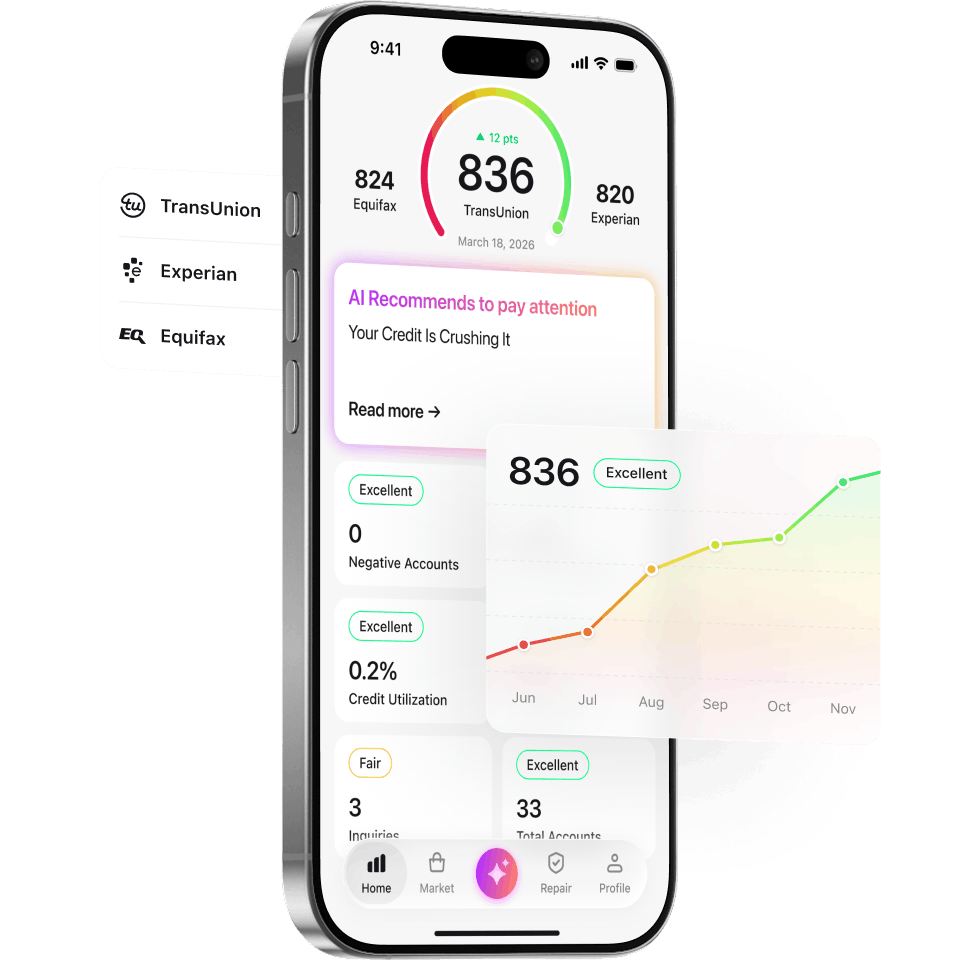
Download Credit Booster AI, free on iOS and Android. It scans your reports for charge offs, flags errors, and drafts dispute letters. A real time-saver while you follow these steps.
Step-by-Step Guide: How to Remove Charge-Off from Credit Report
Don’t wait. Act now. Here’s your numbered playbook for remove charge off credit report success.
Step 1: Pull and Scrutinize Your Free Credit Reports
Head to AnnualCreditReport.com for weekly free pulls from Equifax, Experian, and TransUnion, extended indefinitely post-COVID[1][6]. Note:
- DOFD (critical for the 7-year clock).
- Balance, creditor name, status.
- Errors like wrong amounts or dates.
Example: Sarah found her $800 card charge-off listed with a 2023 DOFD, but her first miss was 2022. Boom, dispute goldmine[1].
Step 2: Dispute Errors, No Payment Required
Inaccurate info? FCRA gives you free disputes. Bureaus must investigate in 30-45 days or delete[1][3][4].
How to do it:
- Online portals (fastest, Equifax, Experian, TransUnion updated for 2025 AI speed)[4][7].
- Mail disputes with proof (payment receipts, validation letters).
- Template: “This charge off is inaccurate because [e.g., wrong DOFD]. Verify or delete.”
Debt collectors? Send a validation letter within 30 days of contact, FDCPA right. No proof? They drop it[1][3]. 85% of weak disputes get rejected fast now[4].
Real win: John disputed a duplicate charge-off. Gone in 30 days[2].
Step 3: Negotiate Pay-for-Delete for Accurate Charge-Offs
Can’t dispute? Negotiate. Pay-for-delete works 20-30% of the time, especially small debts under $1,000 or with agencies buying cheap[1][2][5].
Proven script:
- Call/write: “I’ll pay 50% lump sum ($400 on $800 debt) if you delete from all reports.”
- Get written agreement: Account #, your info, payment as “full settlement,” deletion promise[1][2].
- Pay via certified mail. Keep receipts.
- Check reports 30 days later; re-dispute if broken.
Tips: Target collectors, they bought for pennies. Mention hardship (job loss hit 40% success in examples)[1]. Original creditors? Tougher, but try[4].
Warning: Ethical gray area. Bureaus frown on deleting accurate data per 2024-2025 policies[3][4]. No legal obligation, but worth the shot.
Step 4: Send a Goodwill Letter
Paid it already? Beg nicely. Post-payment goodwill letters succeed if you had good history before[1][3][4].
Sample structure:
- Explain hardship: “Medical emergency caused delinquency.”
- Highlight positives: “10 years on-time before; perfect since.”
- Ask specifically: “Please remove as courtesy.”
Mail to creditor HQ. Follow up. Experian notes it’s rare but possible[3].
Step 5: Wait It Out and Rebuild Aggressively
No luck? It drops after 7 years from DOFD. Meanwhile:
- Get a secured card (e.g., $200 deposit builds history).
- Keep utilization under 30%.
- Add authorized user status.
Charge-offs hurt less after 2 years with positives[1][4]. Scores rebound 50-100 points in 12 months[1].
Common Myths About Charge-Off Removal Busted
- Myth: Paying removes it. Nope, stays as “paid charge-off” for 7 years[1][4][6].
- Myth: 7 years from charge-off date. Wrong, DOFD rules[1][4].
- Myth: Pay-for-delete is illegal. Voluntary, not guaranteed[1][3].
- Myth: No loans ever again. Older ones fade; 60% approval with 700+ scores despite old charge-offs[1][2].
- Myth: Pay to dispute. Free under FCRA[3][4].
Knowledge kills these lies.
Legal Rights and Risks You Need to Know
FCRA: Accurate reporting only. Disputes free; $1,000+ penalties for violations[1][3][4]. FDCPA: No harassment from collectors[3]. SOL: 3-6 years for lawsuits, can’t sue old debts, but they report[1].
Risks? Verbal deals flop. Time-barred debts? Don’t restart clock by partial pay. CFPB complaints at consumerfinance.gov if ignored[4].
Rebuild Your Score While You Wait
Don’t freeze. Credit Booster AI analyzes reports, tracks progress, users see 40-point jumps in months. Pair with:
- On-time payments (35% of FICO).
- Low utilization.
- Mix of accounts.
Example: Mike had a $500 charge-off. Disputed errors, paid-for-deleted the rest, added secured card. Score from 520 to 680 in 18 months[1].
(Word count: 1523)
Frequently Asked Questions
What is a charge-off exactly?
A charge off happens when a creditor writes off your debt as a loss after ~180 days delinquency, closing the account but keeping you liable. It tanks scores 100+ points and lasts 7 years from first missed payment[1][4][8].
Can you remove a charge-off without paying?
Yes, if inaccurate, dispute free with bureaus. Provide proof; they investigate in 30 days. No errors? Negotiation or wait it out[1][2][4].
Charge-off vs. collection, which is worse?
Both hurt bad, but charge-offs from original creditor hit first. Collections add if sold, double damage. Both 7 years from DOFD[1][2].
Does paying a charge-off remove it from my credit report?
No. It updates to “paid” but stays 7 years. Only errors or rare deals erase it[1][4][6].
How long does charge-off removal take via dispute?
30-45 days for bureau investigation. Online portals speed it up in 2025[4][7].
Is pay-for-delete legal for charge-off removal?
Legal but not required. Collectors agree 20-30%; get it in writing. Bureaus discourage for accurate info[1][2][3].
Download Credit Booster AI, your AI sidekick for disputes and tracking. Free on iOS and Android.
Related research: For a deeper analysis of understanding charge-offs and their impact, see our research library at JoinCreditClub.com.
Need professional help? CreditBooster.com has been helping clients rebuild their credit since 2009.
Frequently Asked Questions
What is a charge-off exactly?
A charge off happens when a creditor writes off your debt as a loss after ~180 days delinquency, closing the account but keeping you liable. It tanks scores 100+ points and lasts 7 years from first missed payment.
Can you remove a charge-off without paying?
Yes, if inaccurate, dispute free with bureaus. Provide proof; they investigate in 30 days. No errors? Negotiation or wait it out.
Charge-off vs. collection, which is worse?
Both hurt bad, but charge-offs from original creditor hit first. Collections add if sold, double damage. Both 7 years from DOFD.
Does paying a charge-off remove it from my credit report?
No. It updates to 'paid' but stays 7 years. Only errors or rare deals erase it.
How long does charge-off removal take via dispute?
30-45 days for bureau investigation. Online portals speed it up in 2025.
Is pay-for-delete legal for charge-off removal?
Legal but not required. Collectors agree 20-30%; get it in writing. Bureaus discourage for accurate info. [Download Credit Booster AI](https://creditbooster.ai/download), your AI sidekick for disputes and tracking. Free on iOS and Android.